
Views: 0 Author: Site Editor Publish Time: 2025-09-16 Origin: Site


For polyester dyeing operations, balancing brilliant color performance with lower costs and sustainability targets has never been more important. Disperse dyes are the backbone of synthetic fiber coloration, and new formulations are now proving they can do more than provide shade variety—they can support mills in cutting energy consumption and reducing emissions. Shaoxing Shangyu Haohua Chemical Industrial Co., Ltd. has developed high light fastness disperse dyes that combine durability with efficient dye uptake, allowing mills to meet customer demands for long-lasting textiles while pursuing greener production.
Polyester is inherently hydrophobic, which makes its coloration energy intensive. Conventional high-temperature dye baths require heating up to 130–140°C, consuming large amounts of steam and water. Long dye cycles, extended rinsing, and auxiliary chemical loads add further energy pressure. Each kilogram of fabric processed can represent significant kilowatt hours and liters of water, making efficiency critical for mills under cost and sustainability scrutiny.
Global textile buyers are increasingly factoring carbon footprints into sourcing decisions. Regulations in Europe, North America, and Asia-Pacific are also pushing mills to disclose and reduce environmental impact. Recent life-cycle assessments in polyester dyeing highlight that energy use during coloration is one of the largest contributors to emissions, often outweighing even fiber production. As brands pursue net-zero supply chains, mills are being asked to prove their dyeing processes are cleaner, more efficient, and compliant with sustainability standards.
Modern disperse dye technology offers solutions that allow dye uptake at lower temperatures. While traditional processes demand 130–140°C for polyester, low-temperature disperse dyes can achieve deep shades at 95–120°C. The impact is twofold: significant energy savings in steam generation and reduced stress on equipment, extending machinery lifespan. This lower thermal demand is especially beneficial for mills in regions where energy costs are volatile or supply reliability is a concern.
Another advancement comes in the form of high-exhaust disperse dyes. These formulations have improved affinity for polyester fibers, ensuring higher dye uptake and leaving less residual dye in the bath. The result is less wastewater load, lower chemical oxygen demand, and reduced need for repeated washing cycles. Mills benefit from cleaner effluents, simplified wastewater treatment, and measurable reductions in overall energy consumption associated with water handling.
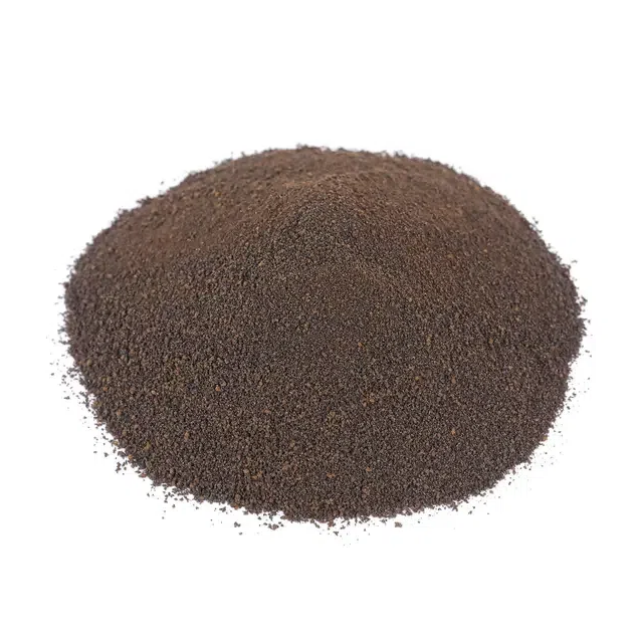
Disperse dye inkjet technology is changing how mills think about coloration. Unlike traditional exhaust methods, digital inkjet requires less water and often eliminates heavy post-wash processes. In certain workflows, this translates to direct reductions in both water and thermal energy demand. For mills producing fashion textiles, sportswear, or customized prints, inkjet is not only a creative advantage but also an environmental one.
Alternative dyeing methods such as foam dyeing and pad-thermosol finishing optimize liquor ratios and throughput times. Foam dyeing minimizes water use by applying dyes in a controlled foam medium, while pad-thermosol lines enable continuous processing with shorter cycles. These approaches accelerate production while cutting back on heating demand, directly lowering greenhouse gas emissions.
For forward-looking mills, supercritical CO₂ dyeing represents an advanced route to sustainable production. By replacing water as the dyeing medium, this method virtually eliminates wastewater discharge and reduces the need for auxiliaries. Although currently available only in select markets due to cost and equipment requirements, it demonstrates the direction in which textile coloration technology is heading—toward waterless, energy-efficient systems.
One concern among mill managers is whether achieving high light fastness requires chemistry that compromises environmental goals. Traditional methods sometimes relied on heavy carriers or complex auxiliaries, which increased the energy or chemical footprint of production. The perception of a trade-off between color durability and eco-performance has slowed adoption of premium fastness dyes.
New research and product development are proving that mills no longer need to choose between durability and sustainability. Advanced high light fastness disperse dyes now deliver excellent fastness to light, washing, and rubbing while still enabling lower temperature dyeing. By optimizing molecular structures and dispersion systems, these products achieve deep penetration without toxic carriers. This makes them well-suited for apparel, home textiles, and industrial fabrics where longevity and environmental compliance are both required.
Before shifting to energy-saving disperse dye options, mills can begin with a simple feasibility assessment:
Conduct lab trials at reduced temperatures to verify shade depth and uniformity.
Benchmark current energy use per kilogram of fabric dyed.
Measure residual dye and wastewater loads for comparison.
When evaluating new dye chemistries, mills should establish KPIs that align with both cost and sustainability objectives:
Energy use in kWh per kilogram of fabric.
Dye exhaustion percentage.
COD/DQO levels in effluent.
Fastness scores across washing, rubbing, and light exposure.
Implementation can follow a staged approach:
Begin with small batch laboratory tests to validate performance.
Move to pilot-scale production for energy and emission benchmarking.
Scale up across full lines once data confirms cost savings and fastness consistency.
This stepwise process allows mills to minimize risk while accelerating the adoption of greener dyeing practices.
Shaoxing Shangyu Haohua Chemical Industrial Co., Ltd. provides disperse dyes engineered specifically for polyester and synthetic fibers. Designed for high-temperature dyeing processes, they deliver superior penetration and uniform coverage, ensuring brilliant shades with reliable reproducibility. At the same time, their high exhaust properties mean minimal staining and reduced wastewater impact, helping mills align with sustainability and cost-saving targets.
Haohua’s wide shade range is compatible with multiple application methods, from traditional exhaust dyeing to continuous pad-thermosol lines and modern digital printing. This versatility enables mills to integrate high light fastness disperse dyes into existing operations with minimal adjustment. Whether the priority is apparel, home textiles, or industrial fabrics, Haohua products offer reliable performance across diverse production needs.
Modern disperse dyes—including high light fastness disperse dyes—are proving to be powerful tools for mills aiming to save energy and reduce emissions without sacrificing color brilliance or durability. By combining advanced dye chemistry with process innovations like digital inkjet or low-liquor continuous lines, Shaoxing Shangyu Haohua Chemical Industrial Co., Ltd. helps textile manufacturers achieve both cost efficiency and environmental responsibility. To learn more about how these solutions can be implemented in your facility, contact us today for pilot samples, technical datasheets, or lab support tailored to your production requirements.


