
Views: 0 Author: Site Editor Publish Time: 2026-09-17 Origin: Site


Achieving a deep, consistent, and fast black shade on cotton remains a persistent challenge in textile manufacturing. Dyehouse managers constantly balance chemical costs, processing times, fabric hand feel, and end-product quality requirements. High-volume production demands reliable solutions. You cannot afford to inflate production costs or risk failing strict environmental compliance standards. This creates a distinct tension on the factory floor. Selecting the right dye directly impacts your operational efficiency and final product margin. Two dominant industry standards exist for achieving black shades. You must choose between sulphur dyes and reactive dyes. This choice dictates your entire production workflow. Evaluating sulphur black vs reactive black requires a strict assessment of your facility. The decision depends on specific fastness requirements, fabric construction, facility capabilities, and target margins. Understanding these variables ensures you select the optimal dye for your specific cotton application.
Cost Efficiency: Sulphur black remains the most economical choice for bulk cotton dyeing due to lower dye costs, minimal salt requirements, and shorter cycles, whereas reactive black requires higher upfront chemical investment.
Fastness Trade-offs: Reactive black generally offers superior wet and wash fastness through covalent bonding, while sulphur black excels in light fastness and perspiration fastness.
Fabric Compatibility & Hand Feel: Reactive dyes maintain the natural softness of cotton, making them ideal for knits and premium apparel, while sulphur dyes can leave a harsher hand feel, better suited for heavy wovens, denim, and yarn dyeing.
Process Realities: Reactive dyeing demands significantly higher salt concentrations and precise temperature control in low-liquor environments to prevent hydrolysis; sulphur dyeing requires careful oxidation and washing to prevent acid tendering.
Environmental Impact: Both dyes present unique effluent challenges—high dissolved solids (TDS) from salt for reactive dyes vs. sulfide toxicity for sulphur dyes—dictating the required wastewater treatment infrastructure.
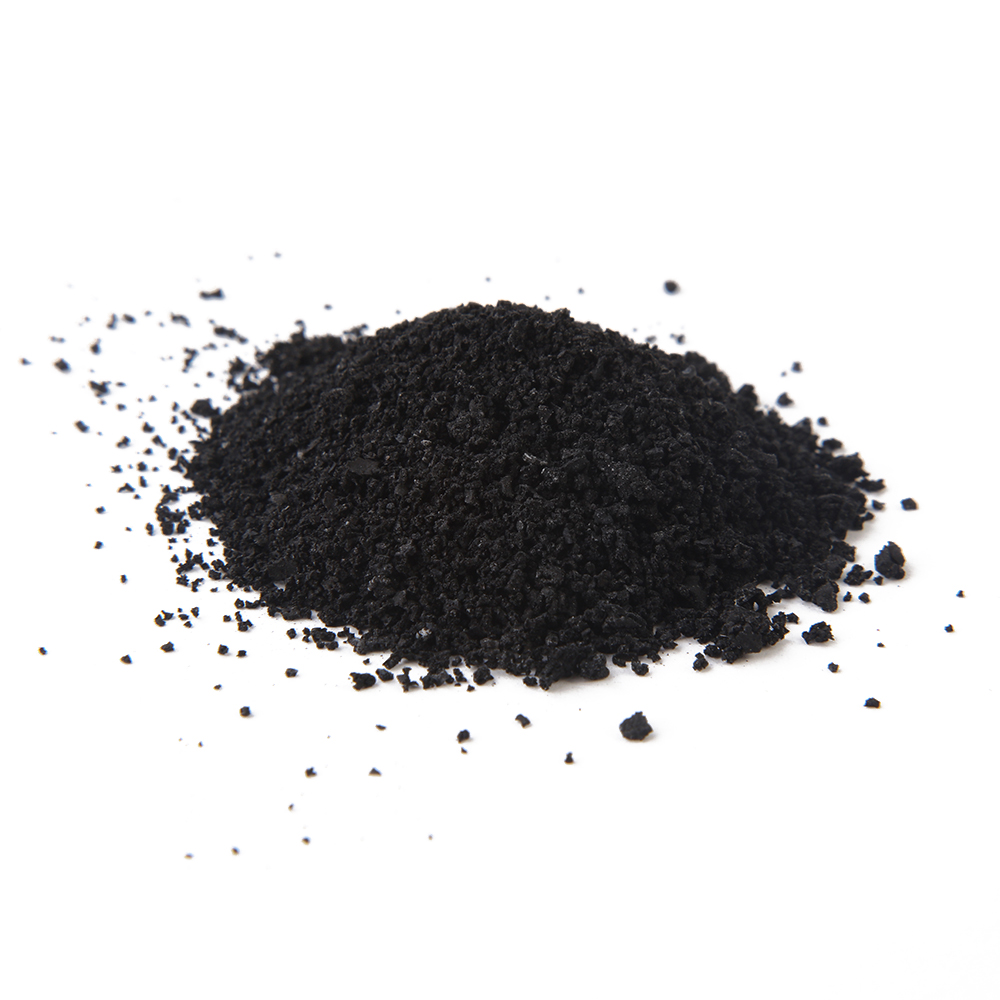
Defining success in cotton dyeing requires looking beyond visual color. A successful black dye application demands high penetration into the fiber core. It requires an optimal fixation rate to minimize waste. The process must achieve the desired shade depth while maintaining the structural integrity of the cotton fiber. Finally, it must deliver the specified hand feel for the end consumer. Achieving these metrics requires a deep understanding of how different dye classes interact with cellulose at a molecular level.
The application of sulphur black dye for cotton relies on a strict reduction-oxidation process. These dyes are naturally insoluble in water because they contain heavy sulfur linkages. To make them usable in a dye bath, you must reduce them into a water-soluble leuco form. This reduction typically uses sodium sulfide as the primary reducing agent. The dye bath requires a highly alkaline environment to keep the reduced dye soluble and stable during the exhaustion phase.
Once reduced, the cellulosic fiber absorbs the leuco dye. The dye penetrates the amorphous regions of the cotton fiber. Operators typically run this exhaustion phase at temperatures between 80°C and 95°C to ensure maximum penetration. After exhaustion, you must oxidize the fabric. This step converts the dye back to its original, insoluble state. The large dye molecules become physically entrapped within the fiber structure. This physical entrapment mechanism makes the process generally less complex than reactive dyeing, as it does not rely on forming precise chemical bonds with the cellulose.
Reactive dyeing operates on a completely different chemical principle. A reactive black dye for cotton forms a permanent covalent bond. The carbon-based dye molecule reacts directly with the hydroxyl groups of the cellulosic fiber. This creates an incredibly strong, permanent attachment. The dye becomes an integral part of the cotton fiber itself, rather than just sitting inside the fiber matrix.
This chemical reaction requires specific conditions and precise execution. You must use alkali, typically sodium carbonate or sodium hydroxide, to trigger the fixation phase. The alkali raises the pH to around 10.5 to 11.5, ionizing the hydroxyl groups on the cotton. However, this introduces an inherent risk of dye hydrolysis. Hydrolysis occurs when the dye reacts with the water in the dye bath instead of the fiber. Hydrolyzed dye cannot bond to the fabric. It washes down the drain, wasting chemicals and complicating effluent treatment. Managing the competition between fixation and hydrolysis defines the entire reactive dyeing process.
Choosing between these two dye classes requires a multidimensional evaluation. You must analyze color yield, fabric texture, fastness properties, and operational efficiency. Each dimension heavily influences your final product quality and production workflow on the factory floor.
Achieving a true, deep black is notoriously difficult in textile processing. Sulphur black typically produces a flatter, deeper jet black. It often carries a slight greenish-black or reddish-black tone depending on the specific formulation and the oxidation method used. It provides exceptional opacity. This makes it highly desirable for heavy garments where a solid, impenetrable black is required. When measured on a spectrophotometer, sulphur blacks often yield very low L* values, indicating extreme darkness.
Reactive black often yields a different visual profile. It frequently presents a bluish or reddish undertone. Achieving a true, deep jet black with reactive dyes requires careful formulation. Dyehouses often use high concentrations of Reactive Black 5, sometimes up to 6% or 8% on the weight of the fabric. Operators must balance the recipe with shading components like yellow or red to neutralize unwanted undertones. Consumer demand for "as black as possible" finishes often dictates the choice. Sometimes, facilities use topping or bottoming techniques. They might dye a base layer with sulphur black and top it with a reactive dye to achieve maximum depth and adjust the final tone.
The chemical nature of the dye directly impacts fabric texture. Sulphur dyeing deposits heavy insoluble particles inside the fiber. This physical bulk can result in a stiffer, harsher hand feel. The fabric loses some of its natural drape and flexibility. Therefore, sulphur black is less suitable for delicate cotton knitted fabrics like single jersey or interlock. It excels in heavy wovens, 14oz denim, canvas, and yarn dyeing applications where a rugged texture is acceptable or even desired.
Conversely, reactive dyes do not add physical bulk to the fiber. The covalent bond alters the chemical structure without depositing insoluble matter. This maintains the natural softness and flexibility of the cotton. Reactive black is the undisputed industry standard for knits. It dominates the production of underwear, premium t-shirts, and loungewear. It preserves the fabric's natural stretch and comfortable hand feel, which is non-negotiable for garments worn directly against the skin.
Fastness requirements dictate dye selection based on the garment's end use. Different dye classes excel in different fastness categories. You must match the dye performance to the consumer's expectations.
Reactive dyes score significantly higher in repeated laundering scenarios. The covalent bonds withstand aggressive washing. When tested under ISO 105-C06 standards, reactive blacks routinely achieve ratings of 4 to 5. The dye remains permanently attached to the fiber. Proper soaping-off removes unfixed dye, resulting in excellent wet rubbing fastness. Reactive dyed garments retain their color depth through dozens of wash cycles without bleeding onto other garments.
Most sulphur dyes rate much higher for UV exposure. The large, physically entrapped molecules resist photodegradation better than reactive bonds. Under ISO 105-B02 light fastness testing, sulphur blacks often achieve ratings of 5 to 6 or higher. Sulphur black also offers superior sweat resistance. This makes it ideal for specific end uses. Outerwear, heavy workwear, and military apparel heavily rely on these specific fastness traits to survive harsh outdoor environments.
Operational scalability depends on cycle times and resource consumption. Sulphur dyeing generally allows for shorter overall cycles. The exhaustion and oxidation steps proceed relatively quickly. Furthermore, sulphur dyeing requires significantly less salt compared to reactive processes. This reduces material handling, storage requirements, and the time spent dosing chemicals into the machine.
Applying reactive dyes demands strict control over liquor ratios. You must maintain lower liquor ratios to mitigate the hydrolyzation of dyes. High water volumes increase the chance of the dye reacting with water instead of the fiber. Reactive dyeing cycles are often longer. They require extended fixation times and intensive, multi-step soaping-off procedures to remove hydrolyzed dye. A typical reactive black cycle might take 6 to 8 hours, whereas a sulphur black cycle can often be completed in 4 to 5 hours.
Process Stage | Sulphur Black Cycle | Reactive Black Cycle |
|---|---|---|
Preparation | Standard scouring | Intensive scouring and bleaching |
Dye Exhaustion | 30-45 minutes (requires reducing agent) | 45-60 minutes (requires massive salt dosing) |
Fixation/Oxidation | 20-30 minutes (chemical oxidation) | 60-90 minutes (alkali dosing and hold time) |
Wash-Off | Cold rinse, warm wash, final rinse | Multiple hot soaping steps at 95°C, extensive rinsing |
Total Estimated Time | 4 - 5 Hours | 6 - 8 Hours |
Evaluating the cost requires looking beyond the price per kilogram of dye. You must analyze the entire chemical and operational footprint of the dyehouse.
The direct dye cost gap has narrowed over the years, but sulphur remains the more economical raw material. Reactive dyeing requires massive salt concentrations, often 60 to 100 grams per liter, to drive the dye into the fiber. This creates a massive logistical and purchasing burden. Sulphur dyeing requires reducing agents like sodium sulfide and oxidizing agents, which are generally cheaper and used in lower volumes.
Energy and water consumption heavily skew the cost analysis. Reactive dyeing requires extensive hot washing at temperatures near boiling (95°C) to clear hydrolyzed dye. This consumes vast amounts of steam and thermal energy. A reactive process might use 60 to 80 liters of water per kilogram of fabric. Sulphur dyeing generally consumes less thermal energy and requires less water for post-dyeing clearance, often dropping to 40 to 50 liters per kilogram.
Textile dyeing faces intense environmental scrutiny. Both dye classes present unique and significant effluent challenges. Your facility's wastewater treatment infrastructure dictates which dye you can safely process. Selecting reliable cotton textile dyes means understanding their environmental footprint and ensuring your Effluent Treatment Plant (ETP) can handle the load.
Sulphur dye effluent presents severe toxicity risks. The primary concern is unexhausted sodium sulfide. Sulfides are highly toxic to aquatic life. They also release dangerous hydrogen sulfide gas under acidic conditions, posing a lethal risk to ETP operators. Furthermore, some older sulphur dye formulations contain heavy metal impurities that accumulate in the environment.
Treating this effluent requires specific infrastructure. The ETP must perform rigorous oxidation steps. You must convert the toxic sulfides into harmless sulfates. This often involves chemical oxidation using hydrogen peroxide or extended aeration techniques. Following oxidation, precipitation steps using coagulants like ferrous sulfate remove the insoluble dye particles from the wastewater stream. Managing the resulting chemical sludge adds another layer of operational complexity.
Reactive dye effluent poses a completely different set of challenges. The most pressing issue is the massive Total Dissolved Solids (TDS) load. Reactive dyeing requires huge amounts of salt to force the dye onto the fiber. This salt does not exhaust. It all goes down the drain, creating highly saline wastewater that destroys freshwater ecosystems.
Additionally, you face the problem of hydrolyzed dye. Unfixed reactive dyes are highly water-soluble. They create intensely colored effluent. Removing this color is notoriously difficult. Standard biological ETP processes struggle to break down the synthetic dye molecules. Facilities often require advanced treatments like reverse osmosis to handle the TDS and specialized chemical coagulation or ozone treatment to meet color discharge standards.
Every dyeing process carries inherent risks. Quality failures lead to rejected batches, wasted resources, and severe financial losses. Understanding these risks allows you to implement robust mitigation protocols on the factory floor.
Acid tendering is the most severe risk associated with sulphur black. Over time, the sulfur compounds trapped in the cotton can oxidize. Exposure to atmospheric oxygen and humidity converts these compounds into sulfuric acid. This acid aggressively attacks the cellulosic fiber. The fabric loses tensile strength. It becomes brittle and tears easily. This risk is especially high in yarn dyeing and during prolonged warehouse storage in humid climates.
You must implement strict mitigation protocols to prevent tendering. Proper final washing is critical to remove all residual chemicals. You must apply specialized anti-tendering agents, such as sodium acetate, during the final finishing bath. These alkaline buffers neutralize any acid that forms over time. Finally, you must control storage conditions. Keep dyed goods in dry, temperature-controlled environments to slow down the oxidation process. Regular pH testing of stored fabric helps catch tendering before it destroys the batch.
Reactive dyeing struggles with low fixation rates. Hydrolysis leads to wasted dye and poor color yield. Furthermore, unfixed dye poses a massive risk of cross-staining. If you process cotton blends, like cotton/polyester or cotton/elastane, the hydrolyzed dye can stain the synthetic fibers during the wash-off phase. This ruins the color clarity of the final garment and degrades the fastness properties.
Mitigating these risks requires absolute process control. You must maintain strict temperature parameters during the fixation phase. Optimized, progressive dosing of alkali prevents premature hydrolysis. Utilizing low-liquor ratio machinery minimizes the water available for the dye to react with. Most importantly, you must execute rigorous soaping-off procedures. Multiple hot washes with specialized polymeric detergents are mandatory to clear all unfixed dye from the fabric surface and prevent redeposition.
Neither dye class is universally superior. The correct choice depends entirely on your specific operational context. Use this framework to align your dye selection with your production capabilities and client requirements.
You run high-volume production lines where chemical cost reduction is the primary driver.
Your product mix focuses on standard denim, heavy wovens, canvas, and industrial workwear.
You require deep, flat shades for yarn dyeing applications.
The end-product demands exceptionally high light fastness for outdoor use.
Your facility operates an ETP specifically equipped to oxidize and handle sulfides safely.
Fabric hand feel is a secondary concern compared to visual depth and durability.
You have limited access to high-quality steam for extensive hot washing.
You process delicate cotton knitted fabrics like single jersey, rib, or interlock.
You manufacture premium garments requiring a naturally soft hand feel and excellent drape.
Your clients demand strict wash fastness for frequent laundering without color bleeding.
You need vibrant, customizable undertones rather than a flat, opaque black.
You process cotton blends where cross-staining on synthetic fibers must be strictly minimized.
Your local regulations heavily restrict sulfide emissions, but your ETP incorporates reverse osmosis to manage high TDS loads.
You have modern, low-liquor ratio dyeing machines capable of precise temperature and dosing control.
The choice between sulphur and reactive black hinges on a precise intersection of variables. You must weigh your operational budget against fabric construction requirements. You must balance end-use fastness demands with your facility's effluent treatment capabilities. Sulphur black wins decisively on cost, light fastness, and achieving deep shades on heavy wovens. Reactive black remains the undisputed champion for wash fastness, maintaining hand feel, and ensuring bond stability on premium knits.
Take the following steps to optimize your dyeing operations:
Conduct comprehensive lab dips using both dye classes to compare shade matching against your specific fabric substrates.
Run a pilot-scale test to measure the actual auxiliary chemical costs, specifically tracking salt usage versus reducing agents.
Audit your facility's ETP capacity to ensure compliance with local regulations regarding either sulfide oxidation or TDS management.
Perform physical testing on pilot batches to evaluate tensile strength retention and wash fastness before committing to bulk production.
Calculate the total utility consumption, including water and steam, to determine the true cost per kilogram of dyed fabric.
A: Sulphur black is generally cheaper for bulk cotton dyeing. The direct dye cost is lower, and it requires significantly fewer auxiliary chemicals, like salt, compared to reactive dyeing. It also typically involves shorter processing cycles, reducing energy, water, and operational expenses on the factory floor.
A: Reactive black is vastly superior for cotton knits because it maintains the fabric's natural softness and stretch. Sulphur black deposits insoluble particles that create a harsher hand feel, making it much better suited for heavy woven fabrics, denim, and canvas.
A: Sulphur dyes naturally produce a very deep, opaque, flat jet black. To achieve a similar depth with reactive dyes, dyehouses must use high concentrations of specific formulations, like Reactive Black 5, and often employ topping techniques to neutralize unwanted undertones.
A: It depends on the exposure. Reactive black resists fading from repeated washing much better due to its permanent covalent bonds. However, sulphur black offers superior resistance to fading from UV light exposure and perspiration, making it better for outdoor wear.
A: Salt is necessary to overcome the natural electrical repulsion between the anionic dye molecules and the anionic surface of the cotton fiber in water. Massive amounts of salt push the dye out of the dye bath and force it into the fiber structure.
A: Acid tendering occurs when residual sulfur compounds trapped in the cotton oxidize over time due to humidity and air exposure. This oxidation forms sulfuric acid, which attacks the cellulosic fiber, causing the fabric to become brittle and tear easily.
A: Sulphur dye effluent contains toxic sulfides that require rigorous chemical oxidation and precipitation in the ETP. Reactive dye effluent contains massive amounts of dissolved salt (high TDS) and highly colored, unfixed dye molecules that are difficult to break down biologically.


