


What makes Reactive dyes a game-changer in the textile and fashion industries? For centuries, dyes have brought color and vibrancy to our fabrics, but not all dyes are created equal. Reactive dyes are particularly noteworthy for their ability to form a strong chemical bond with fibers, ensuring long-lasting, vibrant colors. In this article, we’ll dive into what reactive dyes are, how they work, and their significance in textile manufacturing. You’ll discover their benefits, challenges, and why they’re an essential part of modern textile production.
At the core of reactive dyes is their ability to chemically bond with the fibers they color. This process occurs due to the presence of reactive groups in the dye molecules, which form covalent bonds with the fiber’s hydroxyl groups. The result is a strong, permanent color that resists fading and washing.
The molecular structure of reactive dyes is designed for optimal attachment to fabrics. Unlike some dyes that simply sit on top of the fiber, reactive dyes become part of the fabric’s molecular structure, resulting in more vibrant, durable colors.
Dye Type | Bonding Mechanism | Fiber Suitability | Colorfastness |
Reactive Dyes | Covalent Bond | Cellulose fibers (e.g., cotton) | High |
Direct Dyes | Physical Adsorption | Cellulose and protein fibers | Moderate |
Acid Dyes | Ionic Bonding | Protein fibers (e.g., wool, silk) | Moderate |
Disperse Dyes | Dispersion in Water | Synthetic fibers (e.g., polyester) | Low to Moderate |
Reactive dyes stand out from other dye types because of their chemical bonding with fibers. To better understand their advantages, it helps to compare them with other common dye types:
● Direct Dyes: These dyes directly adhere to fibers but do not chemically bond with them. As a result, they often fade more quickly and lack the durability of reactive dyes.
● Acid Dyes: Primarily used for protein fibers like wool and silk, acid dyes operate by forming ionic bonds, which are less stable than the covalent bonds of reactive dyes.
● Disperse Dyes: These dyes are used for synthetic fibers like polyester and work through dispersion in water, not chemical bonding, making them less permanent than reactive dyes.
Reactive dyes offer superior colorfastness compared to direct, acid, and disperse dyes, making them ideal for natural fibers like cotton and linen.
There are several types of reactive dyes, each suited for different applications and fibers. The most common types include:
Type of Reactive Dye | Application | Key Characteristics |
Vinyl Sulfone-Based | Primarily for cotton dyeing | High reactivity, good colorfastness |
Monochlorotriazine-Based | For cotton and other cellulose fibers | Excellent for vivid, bright colors |
Bifunctional Reactive Dyes | Used for deep, stable colors | Has two reactive sites, stronger bonding |
The choice of dye type depends on factors such as the type of fiber, desired color intensity, and dyeing conditions.
The power of reactive dyes lies in the covalent bond they form with the fibers. Covalent bonds are strong and stable, ensuring that the color does not easily wash out or fade. During the dyeing process, the dye molecules react with the fibers’ hydroxyl groups, forming this bond. The result is a much more durable and vibrant color compared to other dyeing methods.
This chemical bonding is the reason reactive dyes are so popular in the textile industry, especially for materials like cotton that tend to absorb dyes more effectively.
Several factors can influence how well reactive dyes perform during the dyeing process. Some of these include:
● pH: The dyeing bath’s pH plays a significant role in the efficiency of the reaction. The dyeing process is most effective when the pH is slightly alkaline.
● Temperature: The ideal temperature for reactive dyeing typically ranges from 30°C to 60°C. Higher temperatures can speed up the reaction but may cause fiber damage if too high.
● Salt: Salt is often used in reactive dyeing to help the dye penetrate the fibers, ensuring an even and complete color uptake.
Factor | Ideal Condition | Effect on Dyeing |
pH | Slightly alkaline (pH 9-11) | Helps activate dye molecules |
Temperature | 30°C to 60°C | Controls dye reaction speed |
Salt | Moderate amount (depends on fiber) | Enhances dye penetration and uptake |
Properly controlling the pH, temperature, and salt concentration during dyeing will help achieve consistent, high-quality results.
Reactive dyes are most commonly used for dyeing cellulose-based fibers, such as cotton, but they can also be applied to other types of fabrics. Here’s a breakdown of the process:
● Cotton: Cotton fibers, with their natural cellulose structure, react very well with reactive dyes. The dye is applied to the fiber in a solution, and the covalent bonding occurs during the fixation process.
● Wool and Silk: While not as common, reactive dyes can also be used on protein-based fibers like wool and silk, though these require a slightly different approach due to their different chemical structure.
● Synthetic Fabrics: Reactive dyes are less effective on synthetic fibers like polyester, which don’t react with the dye in the same way. Specialized methods, such as using disperse dyes, are typically used for synthetic fabrics.
One of the key benefits of reactive dyes is their high level of colorfastness. The strong covalent bond between the dye and the fiber ensures that the color remains vibrant, even after multiple washes. This makes reactive dyes ideal for apparel and home textiles that undergo frequent laundering.
● Vibrancy: Reactive dyes can produce rich, deep colors that don’t easily fade.
● Durability: The strong bond ensures that the color lasts, even under harsh conditions.
In recent years, the demand for sustainable practices in textile manufacturing has grown. Reactive dyes are seen as more environmentally friendly compared to other dyeing methods, as they typically require less water and fewer chemicals to fix the dye. This leads to less waste in dyeing processes.
Additionally, some modern reactive dyes are designed to be more eco-friendly, using less energy and reducing harmful byproducts in wastewater.
Reactive dyes are incredibly versatile and can be used on a wide variety of textiles, including cotton, linen, and rayon. Their ability to produce vibrant colors, combined with their excellent colorfastness, makes them popular in multiple textile applications, from fashion garments to home furnishings.
● Cotton and Linen: Ideal for natural fibers, these fabrics respond well to the reactive dyeing process.
● Other Natural Fibers: Reactive dyes can also be used on wool, silk, and rayon with appropriate adjustments to the dyeing process.
Textile Industry:Reactive dyes are commonly used in the textile industry for dyeing a wide range of fabrics, especially cotton and linen. They are used for apparel, home textiles, and even industrial products like carpets and towels.
Dyeing and Printing Processes:In addition to solid dyeing, reactive dyes are also used in printing processes, such as screen printing, where the dye is applied in a pattern or design. This allows manufacturers and designers to create vibrant and detailed patterns on fabrics.
Fashion and Design:Fashion designers often choose reactive dyes for their ability to provide consistent, vibrant colors. The dye’s ability to withstand washing and fading makes it perfect for creating long-lasting designs.
Issues with Dyeing Process Control
While reactive dyes are effective, they can be difficult to control during the dyeing process. Problems like uneven dye uptake, incorrect pH levels, or inconsistent temperature can lead to poor results. Careful monitoring and control are essential for achieving high-quality results.
Environmental Concerns and Water Use
Despite their benefits, reactive dyes still require significant water usage, which can contribute to environmental challenges. The dyeing process can also result in chemical waste that needs to be managed properly to avoid pollution.
Post-Dyeing Treatment and Fixation
To ensure the color remains intact, post-dyeing treatments are essential. These treatments help to fix the dye to the fabric, preventing fading and bleeding. However, the treatment process can add time and cost to production.
Reactive dyes play a crucial role in the textile industry, offering vibrant, durable colors that can withstand the rigors of everyday use. Their ability to form a chemical bond with fibers makes them a top choice for natural fibers like cotton, ensuring long-lasting and vibrant colors. However, the dyeing process requires careful control, and environmental concerns such as water usage should be considered.
As the demand for sustainable textiles continues to rise, reactive dyes are positioned to remain an important tool for textile manufacturers and designers alike. Embracing the advantages of reactive dyes, along with their challenges, will help drive innovation and sustainability in the industry.
For textile manufacturers looking to improve dyeing processes or explore more sustainable options, HAOHUA recommends experimenting with eco-friendly reactive dyes to enhance the quality and longevity of your products.
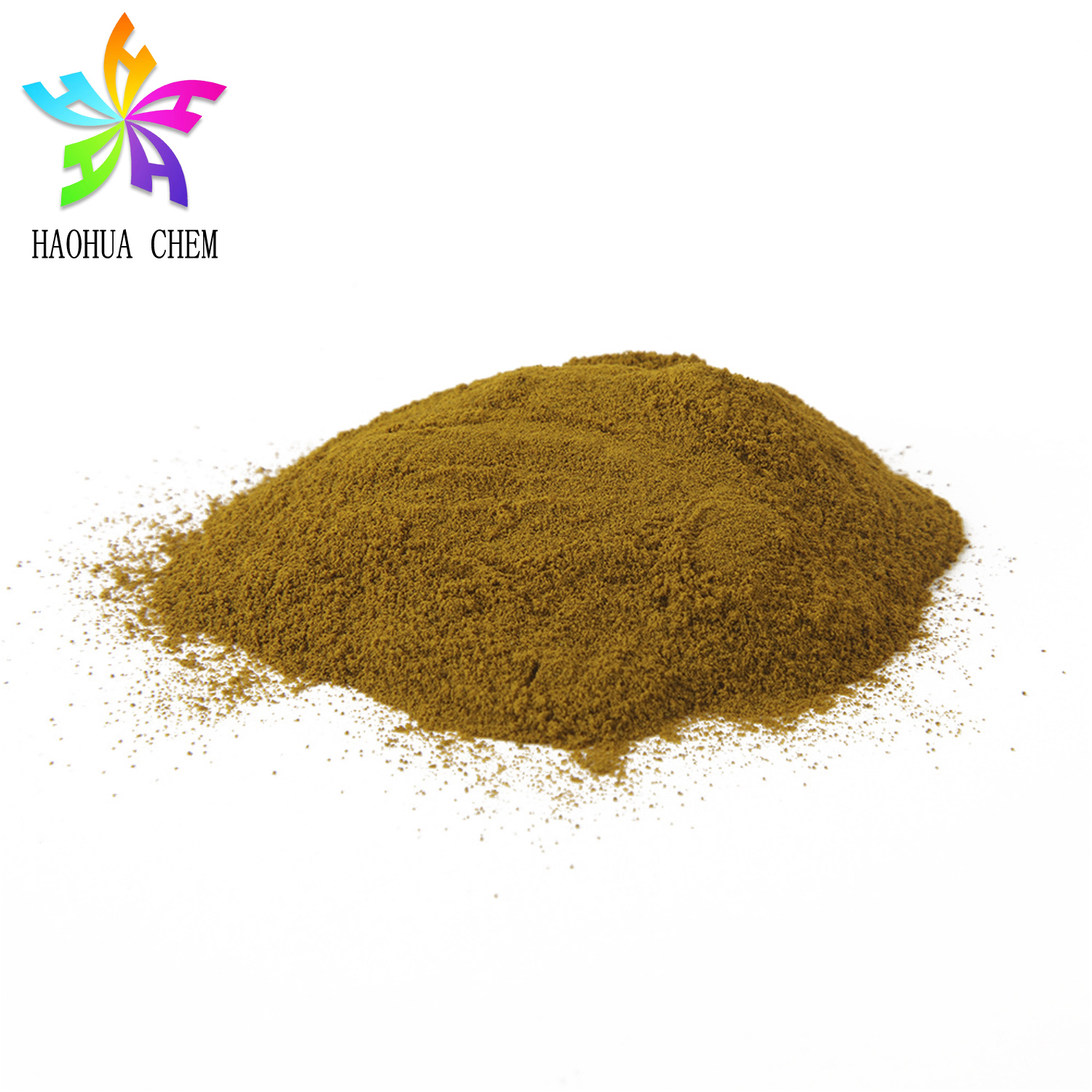
A: A reactive dye is a type of textile dye that chemically bonds with fibers, creating a strong, long-lasting color. This bond, known as a covalent bond, results in high colorfastness and prevents fading even after washing.
A: Reactive dyes work by forming covalent bonds with fibers during the dyeing process, allowing the dye to bond chemically with the fabric, resulting in vibrant and durable colors that are resistant to fading.
A: Reactive dyes are ideal for cotton because they form strong covalent bonds with cellulose fibers, resulting in bright colors that last longer compared to other dyes.
A: Reactive dyes can be more environmentally friendly compared to other dyes, as they typically require less water and chemicals to fix the dye, contributing to more sustainable textile production.


