
Views: 0 Author: Site Editor Publish Time: 2026-11-21 Origin: Site


Achieving level, reproducible dark shades on cotton demands exact control over dye chemistry and machinery mechanics. When dyehouse operations scale, the margin for error shrinks dramatically. Minor fluctuations in exhaustion rates, sudden pH shifts during fixation, or inadequate washing cycles quickly trigger costly batch rejections. These inconsistencies compromise profit margins and disrupt tight production schedules. This comprehensive guide outlines the exact mechanical and chemical variables responsible for dark shade variations. We provide technical managers and quality control teams with an actionable evaluation framework. You will learn how to accurately audit fixation protocols, optimize post-dye rinsing parameters, and permanently eliminate costly redyeing cycles. Expect deep insights into managing progressive alkali dosing, navigating complex liquor ratio sensitivities, and upgrading soaping agents to achieve consistent, right-first-time results.
Uneven dark shades primarily stem from aggressive alkali dosing that causes premature dye fixation and localized pH shocks.
Achieving optimal cotton reactive dye fixation in deep shades requires balancing high exhaustion rates with controlled temperature gradients to minimize dye hydrolysis.
Standardized soaping and rinsing protocols are critical; failing to remove unfixed, hydrolyzed dye directly causes poor wet rubbing fastness.
Evaluating and upgrading dyeing auxiliaries (chelating agents, leveling agents) provides a more scalable solution than simply increasing processing time.
Batch-to-batch shade variation directly impacts your overall yield. Experiencing reactive dye uneven shade forces dyehouses to strip and redye cotton fabric. This corrective process degrades fiber integrity over time. It consumes significant additional water and thermal energy. It also severely disrupts tight production schedules. Operations managers must shift focus toward preventing these issues entirely. Managing root causes is always more profitable than treating symptoms. Redyeing a single batch can erode the profit margin of three successful batches.
A successful dyeing operation sets clear performance benchmarks. It maintains a Right-First-Time (RFT) rate above 90% specifically for dark shades. Fabrics must pass stringent wet and dry rubbing fastness tests. They must meet international wash fastness standards like ISO 105-C06. Achieving these targets without secondary chemical treatments defines true operational success. You eliminate rework. You also improve customer satisfaction and reduce chemical waste.
Understanding the chemistry behind the process is crucial. Reactive Dyes form strong covalent bonds with cellulose fibers. However, a competing reaction constantly threatens this process. Water molecules actively compete with the cellulose for the dye molecule. This chemical competition is called hydrolysis. When water wins, the dye molecule becomes unfixed. This hydrolyzed dye simply sits on the fiber surface. It creates surface-level color that streaks, patches, and bleeds during consumer washing.
Table 1: Common Defects vs. Operational Impacts
Defect Type | Primary Cause | Fastness Failure | Required Correction |
|---|---|---|---|
Surface Streaking | High hydrolysis rate | Wet Rubbing | Intensive re-soaping |
Patchy Fixation | Alkali pH shock | Wash Fastness | Chemical stripping & redyeing |
Crease Marks | Low liquor ratio / friction | Visual Inspection | Mechanical softening / redyeing |
Dark shades naturally require high concentrations of dye. Operators often rush the crucial exhaustion phase. They move dye from the liquor to the fiber too quickly. If they do this before adding alkali, the process suffers. The subsequent fixation phase simply locks in an uneven dye distribution. Achieving proper cotton reactive dye fixation relies heavily on a perfectly timed exhaustion cycle. You must give the dye sufficient time to migrate evenly throughout the fabric roll before initiating the chemical bond.
Managing the alkaline environment dictates your final shade uniformity. Common mistakes in this phase cause the highest percentage of uneven batches.
The Risk: Dumping alkali too rapidly causes immediate problems. Adding Soda Ash or Caustic Soda all at once creates a sudden pH spike. This forces instant, uneven fixation across the fabric. Dye molecules bond exactly where the alkali hits them first. We call this phenomenon localized pH shock. It is notoriously difficult to correct once it occurs.
The Evaluation Check: Audit your dosing systems immediately. Transitioning to progressive or linear dosing automation prevents localized alkaline pooling. It ensures a uniform, predictable reaction rate. Best practices dictate the following evaluation checks:
Verify pump calibration monthly to ensure accurate delivery volumes.
Program dosing curves over a 30 to 45-minute window for dark shades.
Monitor real-time pH sensors inside the dye bath to detect sudden spikes.
Avoid manual bucket dosing by floor operators entirely.
Dark shades require exceptionally high salt concentrations. Salt acts as an electrolyte. It overcomes the natural negative surface charge of wet cotton. This effectively pushes the negatively charged dye into the fiber core. Inadequate dissolving of salt ruins this mechanism. Inconsistent salt quality or impurities also lead to patchy dye substantivity. Always ensure salt dissolves completely in a separate mixing tank before injecting it into the main vessel.
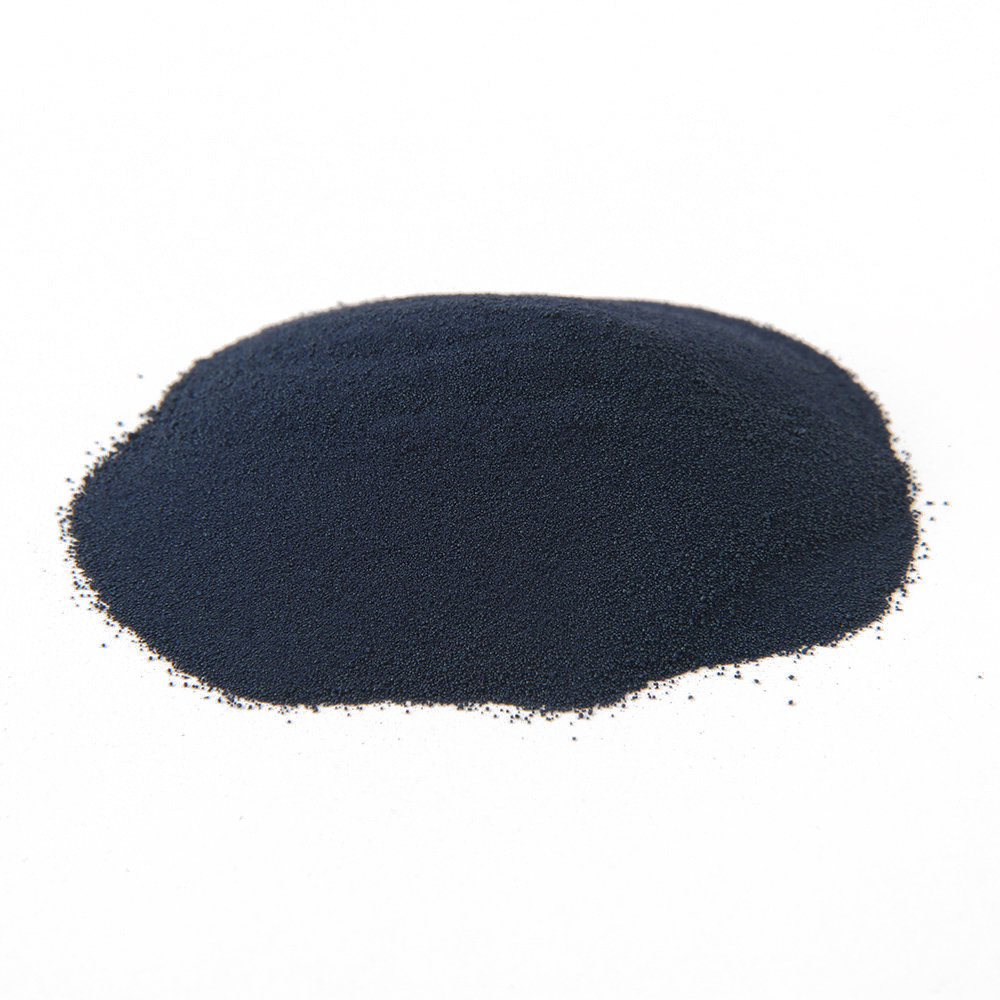
High-substantivity dyes possess unique physical traits. The molecules used for navy and black shades have massive structures. They exhibit noticeably lower solubility in water compared to lighter shades. This structural vulnerability makes them highly prone to agglomeration in the dye bath. reactive navy blue dyeing becomes extremely unstable if liquor ratios drop or temperatures fluctuate unexpectedly. When dye molecules clump together, they cannot penetrate the fiber. They merely deposit as dark, uneven splotches.
Formulating deep shades requires careful chemical matching. Not all dyes play well together in a trichromatic combination. Mixing a yellow, a red, and a blue dye involves risk. You must analyze their individual exhaustion profiles. Differences in individual fixation temperatures cause major issues. Varied diffusion rates among the mixed dyes will cause target shades to separate. The fabric roll may appear distinctly uneven, showing blue edges and a red center. Always select dyes with matching substantivity and reactivity levels.
Dark shades remain highly sensitive to liquor volume. Modern dyehouses prefer low liquor ratios. This practice saves tremendous amounts of water and steam. However, it exponentially increases your operational risk. Lower water volumes push dye solubility to its absolute limit. It increases the risk of dye precipitation. Furthermore, less water means higher mechanical friction inside the machine. If the fabric transport system lacks adequate lubrication, friction marks develop rapidly. You must balance sustainability goals with chemical realities. Sometimes, adding a specialized internal bath lubricant proves necessary.
Fixation is never 100% efficient. Even with maximum fixation parameters, a significant percentage of dye inevitably hydrolyzes. If your post-dye rinsing fails to remove this surface dye, disaster strikes. The fabric will exhibit uneven shading immediately upon drying. More importantly, it will spectacularly fail standard fastness testing. Retailers reject garments that bleed onto consumer skin. Removing unfixed dye is just as critical as fixing the dye in the first place.
Standardized soaping protocols separate average dyehouses from elite facilities. You cannot rush this stage. Implement these specific optimization steps:
Drain and Rinse: Execute a cold overflow rinse immediately after dropping the dye bath to remove residual salt and alkali.
Neutralization: Adjust the bath pH to 5.5 - 6.5 using a mild organic acid. This stops further chemical reactions.
Temperature Control: Raise the temperature to the optimal soaping range. Soaping must occur at 90°C–98°C. Boiling temperatures effectively break the strong hydrogen bonds of unfixed dyes.
Surfactant Evaluation: Assess your current soaping agents. High-performance polymeric soaping agents offer superior results. They feature better anti-redeposition properties compared to traditional surfactants. They effectively trap the removed dye in the water, preventing it from staining the fabric again.
Final Rinse: Finish with a warm rinse followed by a cold rinse to ensure all chemicals exit the fabric.
Water quality dictates rinsing efficiency. Hard water contains high levels of calcium and magnesium ions. These metal ions actively bind with hydrolyzed dye molecules. They create insoluble metal-dye complexes. These complexes adhere permanently to the fabric surface. They look exactly like uneven dye patches. Routine evaluation of your water softening plant is absolutely mandatory. Furthermore, strategically using chelating agents during the rinsing phase captures these stray metal ions before they cause damage.
Consistency requires strict procedural discipline. Move away from operator-dependent manual dosing. Human error accounts for too many rejected batches. Implement strict, automated parameters for your temperature gradients. A safe standard is heating at 1°C to 2°C per minute. Control chemical injection times through PLC (Programmable Logic Controller) systems. When you lock down the SOPs, you remove the guesswork. You establish a predictable baseline. This baseline allows you to isolate variables when troubleshooting future defects.
Choosing the right chemicals improves your RFT rate. However, you must evaluate them properly.
Shortlisting Logic: Be careful when selecting leveling agents. Ensure they do not excessively retard dye exhaustion. Over-retarding the dye prevents it from moving onto the fiber. This ultimately reduces your final color depth, forcing you to use more dye to achieve the same shade. Always test new auxiliaries at a lab-scale before a bulk rollout. Run spectrophotometer checks on lab dips to verify color yield.
Upgrading your facility carries inherent challenges. Transitioning to automated dosing or advanced soaping agents requires initial capital investment. It also requires dedicated trial time on the production floor. You must manage this transition smoothly. Mitigate your financial risk by running pilot batches. Target historically problematic shades like deep navy or black. Track the results carefully. Establish a clear baseline of ROI. You will quickly see returns through drastically reduced rework, lower water consumption, and higher premium output.
Eliminating uneven dark shades in cotton reactive dyeing requires a fundamental shift in mindset. You must stop treating symptoms and start controlling the chemical environment. Begin by accurately auditing the precision of your alkali dosing during the critical fixation phase. Validate the thermal and chemical efficiency of your current soaping process. By stabilizing these core areas, dyehouse managers easily stabilize batch-to-batch consistency. Your immediate next step is clear. Conduct a strict baseline audit of your current RFT rates for dark shades today. Then, initiate controlled lab trials for updated soaping agents and automated dosing curves to secure long-term profitability.
A: Wet fabric naturally appears darker and effectively masks surface-level inconsistencies. Unevenness revealed upon drying usually indicates poor dye migration during the initial exhaustion phase. It also points to localized premature fixation. This happens before the dye can properly penetrate the inner fiber core.
A: Correction is possible but highly costly. It typically requires stripping the dye using strong reducing agents. These chemicals significantly weaken the cotton fiber structure. Afterward, you must redye the fabric. Prevention through controlled fixation is drastically more cost-effective than stripping and redyeing.
A: Calcium and magnesium in hard water interact aggressively with the functional groups of reactive dyes. This interaction reduces their overall solubility. It causes the dyes to precipitate out of the solution and deposit unevenly on the fabric surface. It also degrades the effectiveness of soaping agents during the wash-off phase.
A: No. Simply extending time without the correct temperature (near boiling) fails to work. Running longer cycles without a high-quality anti-redeposition soaping agent merely moves hydrolyzed dye around the bath. Chemical efficiency and strict temperature control remain far more critical than cycle duration.


