
Views: 0 Author: Site Editor Publish Time: 2026-01-05 Origin: Site


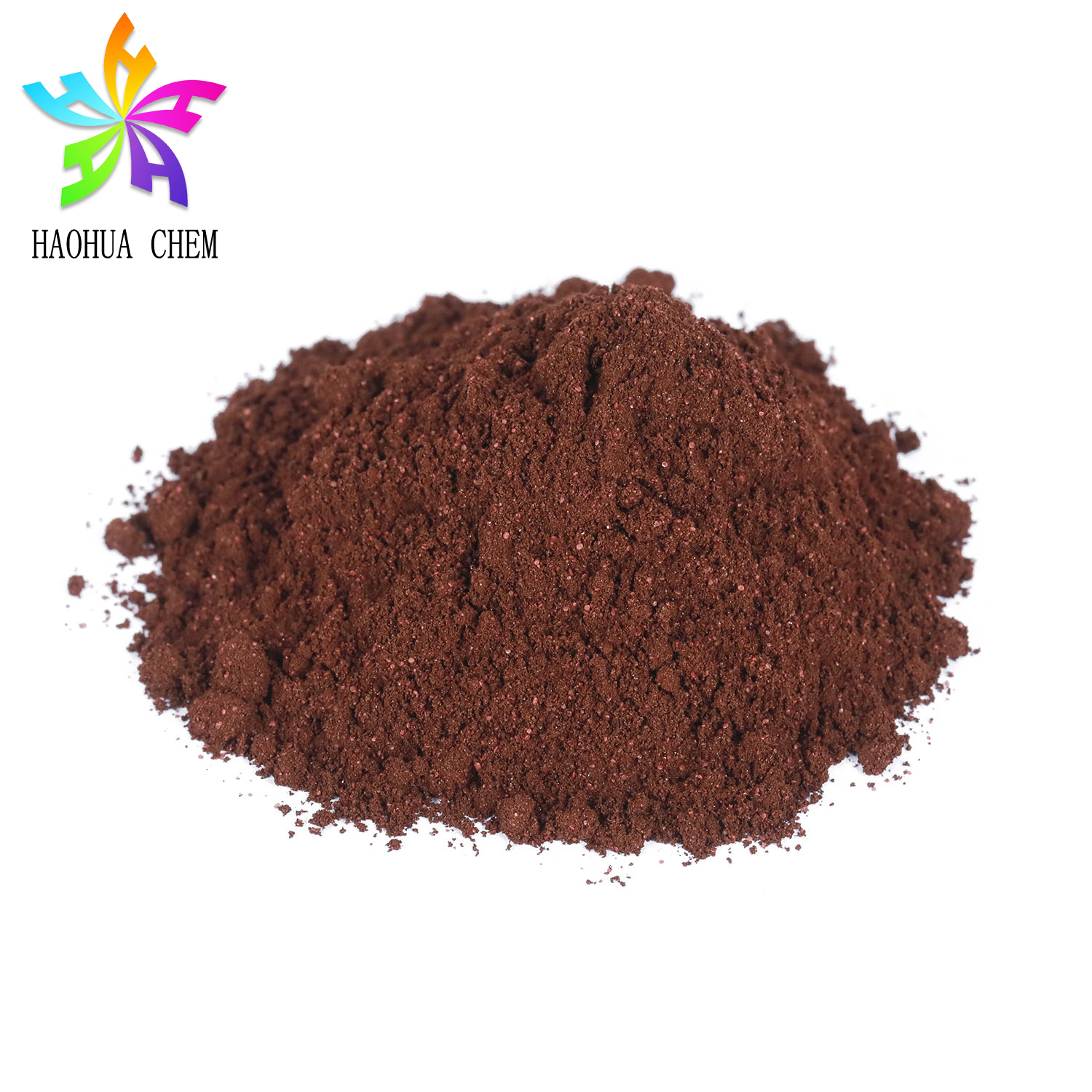
What makes Vat dyes stand out in the textile industry? Known for their incredible durability and vibrant color retention, vat dyes are a favorite for creating long-lasting, rich hues. In this article, we’ll dive into the unique advantages of vat dyes, explaining why they’re so highly prized for their color permanence. You’ll discover what sets these dyes apart and why they’re essential for producing top-quality fabrics.
Vat dyes offer several distinct characteristics that make them an essential component in the textile dyeing process. These properties contribute to their widespread use and their preference over other types of dyes in certain industries.
Insolubility and How It Impacts Application
One of the key properties of vat dyes is their initial insolubility in water. This means they must undergo a reduction process, often using an alkaline solution, to become soluble. While this process requires additional steps and specific techniques, it also results in more stable and long-lasting colors compared to many water-soluble dyes.
Colorfastness and Durability
The most significant advantage of vat dyes is their colorfastness. Once applied, these dyes bond tightly to the fibers of the fabric, making the color resistant to washing, abrasion, and sunlight. This is a crucial benefit, especially for items like denim or workwear, which are subjected to frequent washing and wear.
Resistance to Fading and Washing
Vat dyes are known for their remarkable resistance to fading. When compared to other dyes, they retain their vibrancy over time, even after several washes. This makes them ideal for garments that are regularly exposed to water and light, such as outdoor apparel.
Chemical Stability and Why It Matters for Textile Production
The chemical stability of vat dyes ensures that they can withstand exposure to various chemicals, including detergents and solvents. This is especially important in industries where fabrics are treated with chemicals during manufacturing, such as in waterproofing or anti-wrinkle treatments.
Vat dyes provide a range of benefits that make them indispensable in the textile industry. Their superior qualities directly contribute to the longevity and performance of the final product.
Vat dyes provide excellent colorfastness, meaning they do not fade or bleed easily, even when exposed to the harsh conditions of washing and sunlight. This superior performance is one of the primary reasons why they are so widely used in textile production.
Due to the strong chemical bond formed between the dye molecules and fabric fibers, vat dyes offer a high resistance to abrasion. This means fabrics dyed with vat dyes are less likely to wear out or lose color over time, making them perfect for items that experience high levels of friction, such as upholstery and work uniforms.
Vat dyes are designed to retain their color after numerous washes. The bond between the dye and fabric is not easily broken, ensuring that colors stay vibrant, even after exposure to soap and water. Additionally, vat dyes have excellent lightfastness, meaning they do not fade easily when exposed to sunlight.
Vat dyes are versatile and can be applied to a variety of textile materials, including cotton, wool, and silk. This flexibility makes them a go-to choice for manufacturers who need dyes that work across different fabric types while maintaining color integrity.
As environmental sustainability becomes a major focus in textile production, vat dyes offer several advantages over other dyeing methods. From lower water consumption to eco-friendly options, these dyes are helping to reduce the environmental impact of the textile industry.
Reduced Environmental Impact Compared to Other Dyes:Vat dyes are considered more environmentally friendly compared to some synthetic dyes, which may contain harmful chemicals. The dyeing process for vat dyes can be more sustainable because it uses less water and produces fewer harmful byproducts.
Dye Type | Water Usage | Chemical Waste | Environmental Impact |
Vat Dyes | Low | Minimal | Low |
Acid Dyes | Moderate | High | Moderate |
Direct Dyes | High | High | High |
Use of Natural Vat Dyes:There is a growing trend towards using natural vat dyes, which are derived from plants. These eco-friendly alternatives offer the same colorfastness and durability as synthetic vat dyes, without the negative environmental effects associated with chemical production.
Efficient Use of Water in the Dyeing Process:Compared to other dyeing methods, vat dyeing typically requires less water. This is an important benefit, especially in regions where water scarcity is a concern. By reducing water usage, textile manufacturers can lower their environmental footprint while still achieving high-quality results.
The economic advantages of using vat dyes are significant, especially for large-scale textile production. Their efficiency and long-term performance make them a cost-effective solution for manufacturers.
Vat dyes are particularly beneficial for bulk textile production. Once the dyeing process is set up, it can be applied to large volumes of fabric, making the process more efficient and cost-effective. Additionally, the durability of vat-dyed fabrics means fewer re-dyeing operations are needed.
The efficiency of vat dyes results in minimal waste. Since vat dyes have a strong bond with fibers, there is less runoff and loss during the dyeing process. This makes vat dyes a more sustainable and cost-effective option in textile manufacturing.
Vat Dye Benefits | Traditional Dyes | Impact on Manufacturing Costs |
High Yield | Lower Yield | Reduced overall production costs |
Minimal Waste | Significant Waste | Cost-effective production |
Long-term Durability | Fades Quickly | Lower need for re-dyeing |
The longevity of vat-dyed fabrics results in fewer instances of re-dyeing. Fabrics that retain their color over time reduce the need for maintenance or replacement, ultimately leading to cost savings for manufacturers and consumers alike.
Vat dyes stand out when compared to other types of dyes, offering unique advantages that make them the preferred choice in specific applications.
Vat Dyes vs. Acid Dyes
While acid dyes are commonly used for wool and silk, vat dyes offer superior colorfastness and resistance to fading. Acid dyes are more prone to fading over time, making vat dyes a better option for textiles that require durability.
Vat Dyes vs. Direct Dyes
Direct dyes are easy to apply but lack the colorfastness and durability of vat dyes. Vat dyes create a stronger bond with the fabric fibers, ensuring longer-lasting color and better resistance to wear and washing.
Why Vat Dyes Are Preferred for High-End Textiles
For high-end textiles, such as premium cotton fabrics and designer clothing, vat dyes are preferred for their ability to produce vibrant, long-lasting colors that do not fade or lose their intensity. The superior color retention and resistance to wear make vat dyes ideal for high-quality products.
Despite their many advantages, there are certain challenges that come with using vat dyes. These need to be considered when selecting a dyeing method for a particular fabric or production process.
The process of applying vat dyes is more complex than some other dyes. It requires special treatment to make the dye soluble and a controlled environment to ensure proper application. This may require skilled technicians and specialized equipment.
To work with vat dyes, manufacturers need specific equipment, including reduction tanks and dye vats. This can be an investment for textile producers, especially small-scale businesses.
Some chemical vat dyes may have environmental impacts, especially if not handled properly. However, innovations in dye technology and eco-friendly alternatives have significantly reduced these concerns.
As sustainability continues to drive the textile industry's future, vat dyes are expected to play a central role in environmentally friendly dyeing processes.
Innovations in Vat Dye Technology
Recent advancements in vat dye technology have focused on improving dyeing efficiency, reducing water usage, and minimizing environmental impact. Innovations such as digital printing with vat dyes are also gaining popularity.
The Growing Demand for Sustainable Dyes
As consumers demand more sustainable products, vat dyes are seeing a surge in popularity. Their durability, environmental benefits, and ability to be derived from natural sources make them an attractive option for eco-conscious brands.
Potential for Increased Adoption in Eco-Conscious Markets
The demand for eco-friendly textiles is rising, and vat dyes are well-positioned to meet this demand. Their versatility, sustainability, and superior performance make them an ideal choice for the future of the textile industry.
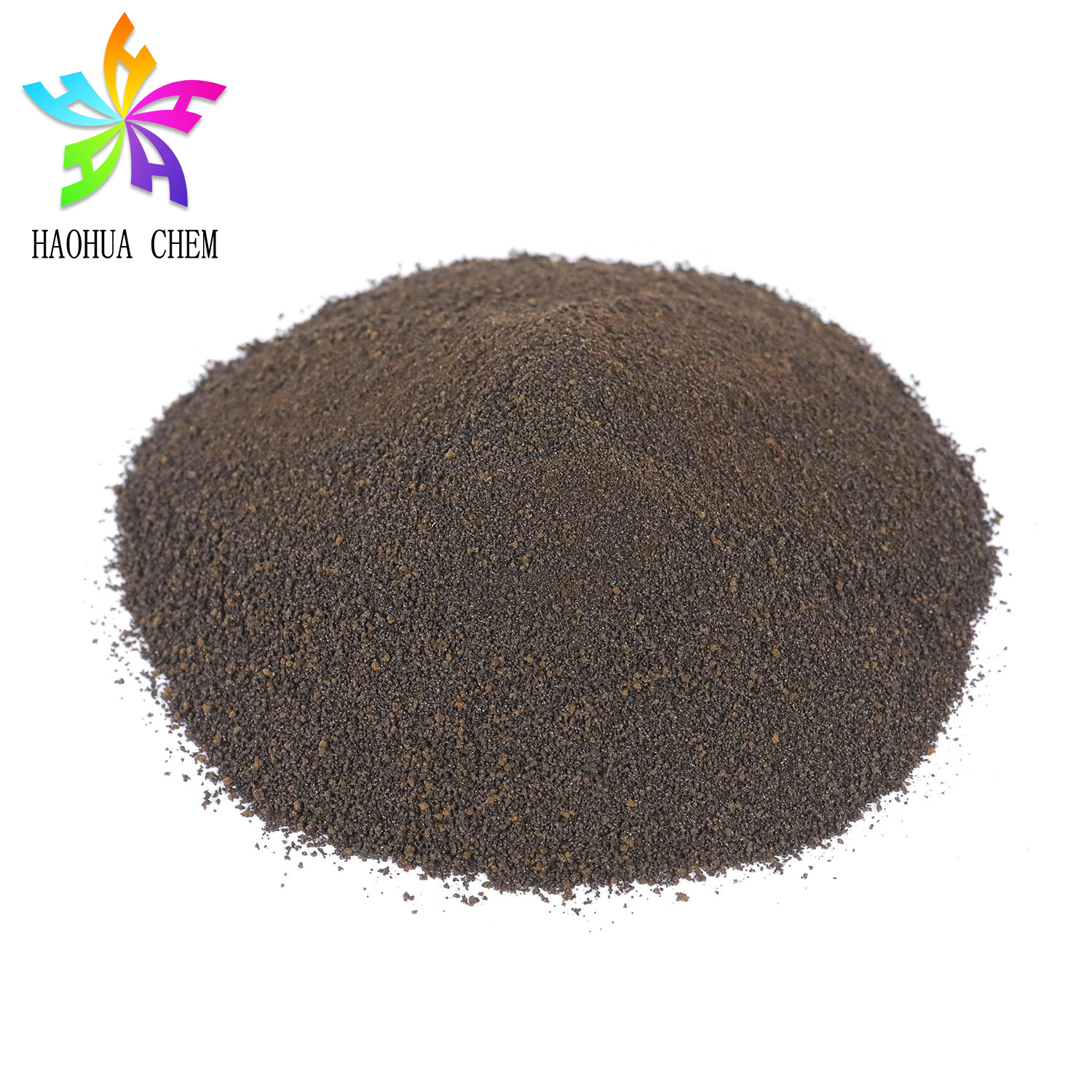
Vat dyes offer numerous advantages, including superior colorfastness, high resistance to abrasion, and excellent wash and lightfastness. Their ability to be applied to a variety of fabrics, along with their environmental benefits, makes them a top choice in the textile industry.As demand for sustainable products grows, vat dyes are expected to remain a key player in the textile industry's future. With ongoing innovations, they will continue to offer cost-effective, durable, and eco-friendly solutions for textile manufacturers worldwide.
If you're looking to create textiles that last longer, resist fading, and stand up to daily wear, consider vat dyes from Haohua. They're a game-changer for high-quality fabrics and eco-friendly production.
A: Vat dyes are a class of dyes that are insoluble in water and must undergo a chemical reduction process to become soluble. They are known for their excellent colorfastness and durability.
A: Vat dyes are preferred for their superior colorfastness, resistance to washing, and long-lasting vibrancy. These properties make them ideal for high-quality and durable textiles.
A: Unlike other dyes, vat dyes are insoluble in water and require a reduction process before they can be applied. This process results in more stable and durable color.
A: Yes, vat dyes are versatile and can be used on a wide variety of fabrics, including cotton, wool, and silk, providing vibrant and long-lasting colors.
A: Yes, vat dyes are considered more environmentally friendly than some synthetic dyes. They require less water and produce fewer harmful byproducts during the dyeing process.


