


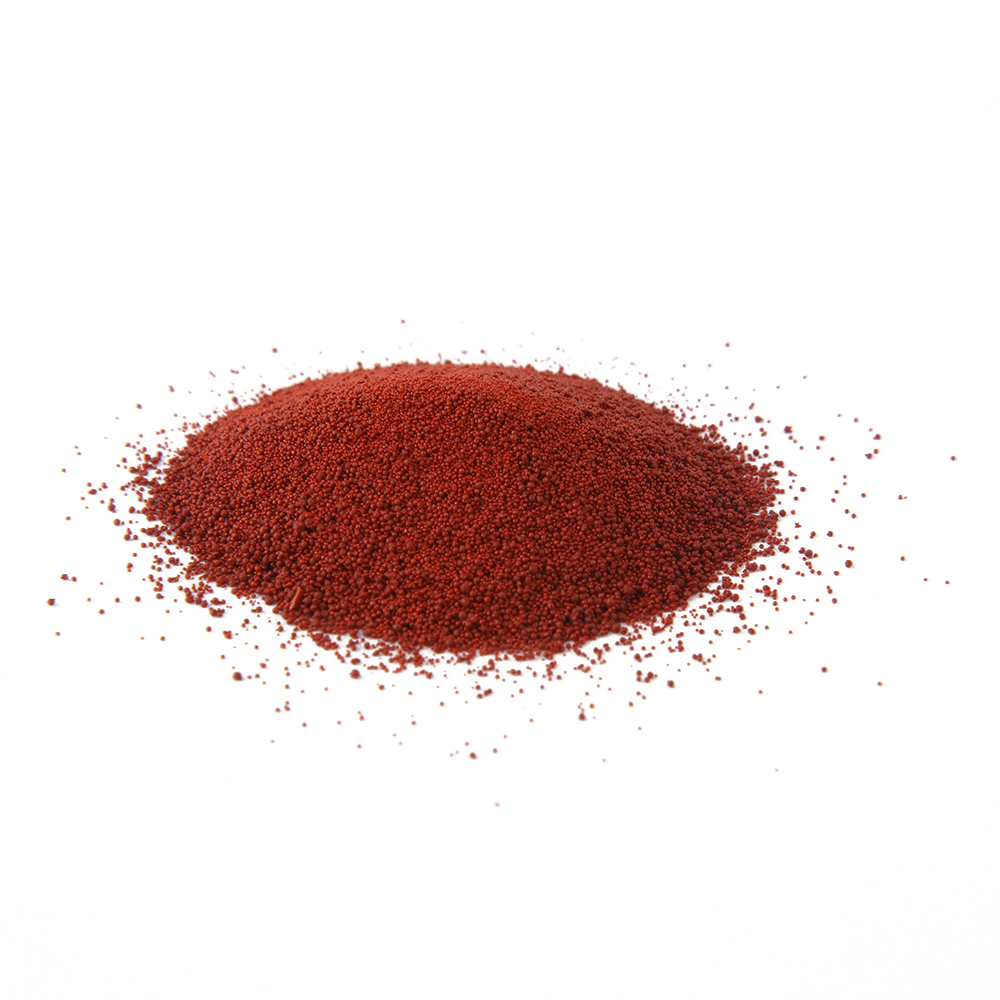
Sulphur dyes have been an essential part of the textile industry for decades, primarily known for their deep, cost-effective shades. These dyes are especially favored for their ability to produce dark colors, including blacks, navies, browns, and dark greens. Their widespread use in fabrics like cotton, viscose, and linen, and in products such as workwear, uniforms, and denim, makes them a vital part of the global textile dyeing market. In this article, we will explore the coverage rate of sulphur dyes, diving into their properties, application methods, and key advantages.
What Are Sulphur Dyes?
Sulphur dyes are a group of synthetic dyes known for their exceptional ability to produce vibrant, long-lasting colors on cellulose-based fibers like cotton. These dyes are known for their cost-effectiveness, especially when producing darker hues. Typically, they are applied through a special process involving the use of a reducing agent, such as sodium sulphide or eco-friendly alternatives, followed by oxidation to fix the dye onto the fabric. This process results in a high color yield and excellent fastness properties, particularly for wash and perspiration resistance.
In addition to their ability to create deep, rich colors, sulphur dyes are also highly resistant to fading, making them ideal for applications where durability is crucial. This includes products like uniforms, workwear, and heavy fabrics, which undergo frequent use and exposure to harsh conditions.
The Coverage Rate of Sulphur Dyes
The coverage rate of a dye refers to the amount of fabric or material that can be dyed with a given quantity of dye. It is a key consideration when planning production runs, as it impacts both cost efficiency and material usage. For sulphur dyes, the coverage rate is determined by a variety of factors, including the type of fabric, the dyeing process, and the specific dye used.
Factors Affecting the Coverage Rate of Sulphur Dyes
Fabric Type and Composition: Different fabrics absorb dye at varying rates. Cellulosic fibers like cotton, viscose, and linen tend to absorb sulphur dyes more readily than synthetic fibers. As a result, the coverage rate is typically higher when dyeing cotton-based materials.
Dye Concentration: The concentration of dye used in the dyeing process plays a significant role in the coverage rate. A higher concentration of dye will generally result in deeper colors but may decrease the amount of fabric that can be dyed per unit of dye. Conversely, lower concentrations may result in lighter shades but offer better coverage.
Dyeing Process: The method used to apply sulphur dyes also affects the coverage rate. The use of reducing agents and the subsequent oxidation step are essential to achieving uniform coverage. Inconsistent application or improper oxidation can lead to uneven color distribution, impacting the overall coverage rate.
Dye Form: Sulphur dyes are available in both powder and liquid forms. The choice between powder and liquid dyes can impact the coverage rate. Liquid dyes are typically easier to apply uniformly, while powder dyes may require more precise measurement and mixing.
Fabric Preparation: Proper fabric preparation is essential for achieving optimal dye uptake and coverage. Pretreatment processes like scouring and bleaching can increase the fabric's ability to absorb sulphur dyes, leading to better color coverage.
Typical Coverage Rates
The coverage rate of sulphur dyes typically ranges from 8 to 12 grams per square meter (gsm) of fabric. However, this rate can vary depending on the factors listed above. For example, when dyeing cotton fabrics with sulphur dyes, a common coverage rate is around 10 gsm, but for finer fabrics or lighter shades, this may increase to 12 gsm.
It is important to note that coverage rates can also differ depending on the type of sulphur dye used. Some specialized sulphur dyes, such as those designed for lighter shades, may require less dye to achieve the desired color, while others for deeper shades may need higher amounts.
Comparison with Other Dyes
When compared to other types of dyes, sulphur dyes often offer a more economical solution, especially when producing dark shades. Other dye types, such as reactive dyes and disperse dyes, may have different coverage rates based on their chemical properties and applications.
| Dye Type | Coverage Rate (gsm) | Best for | Key Advantages |
|---|---|---|---|
| Sulphur Dyes | 8-12 | Cotton, Viscose, Denim | Cost-effective, excellent wet fastness |
| Reactive Dyes | 10-15 | Cotton, Wool, Silk | Bright, vibrant colors, good wash fastness |
| Disperse Dyes | 5-10 | Polyester, Nylon | Ideal for synthetic fibers, high stability |
| Vat Dyes | 10-14 | Cotton, Viscose | Excellent fastness, suitable for deep colors |
As the table above shows, sulphur dyes are highly competitive in terms of coverage rate when compared to other dye types, especially when it comes to cellulose-based fibers. Their ability to offer deeper, more cost-effective colors makes them a preferred choice for industrial applications, including workwear and denim.
Application of Sulphur Dyes in the Textile Industry
The textile industry relies heavily on sulphur dyes for large-scale production runs, especially when deep, dark shades are required. Common applications include:
Workwear and Uniforms: The durability and wash resistance of sulphur dyes make them an ideal choice for workwear and uniforms that need to withstand frequent laundering.
Denim and Heavy Fabrics: Denim is often dyed using sulphur dyes due to the high color yield and deep shades that these dyes can produce. Similarly, heavy fabrics benefit from the ability of sulphur dyes to create dark shades that are both cost-effective and durable.
Fashion and Apparel: In fashion, sulphur dyes are used for producing trendy dark hues that require excellent color retention even after repeated washes.
Benefits of Using Sulphur Dyes
Cost-Effectiveness: One of the most significant advantages of sulphur dyes is their affordability. Compared to other dyeing methods, sulphur dyes provide deep colors at a fraction of the cost, making them a staple for large-scale industrial production.
Excellent Wet Fastness: Sulphur dyes offer superior wash and perspiration fastness, which is essential for products like uniforms and workwear that undergo regular washing.
Environmental Considerations: The eco-friendly alternatives to sodium sulphide, such as using biodegradable reducing agents, make sulphur dyes a more sustainable option compared to some other synthetic dyes.
Wide Range of Colors: While they are most commonly used for dark shades, sulphur dyes are available in a broad spectrum of colors, making them versatile for various textile applications.
FAQs
1. What are sulphur dyes commonly used for?
Sulphur dyes are commonly used for dyeing cellulose-based fabrics like cotton, viscose, and linen, and are especially popular in industries such as workwear, denim, and heavy fabric production.
2. How does the coverage rate of sulphur dyes compare to other dyes?
The coverage rate of sulphur dyes typically ranges from 8 to 12 gsm, making them a cost-effective choice for dyeing dark shades on cotton and similar fibers. This rate is competitive when compared to other dye types like reactive dyes and disperse dyes.
3. Can sulphur dyes be used on synthetic fabrics?
Sulphur dyes are best suited for natural fibers like cotton and viscose, but they are not typically used on synthetic fibers like polyester or nylon. Disperse dyes are more suitable for synthetic fabrics.
Conclusion
In conclusion, sulphur dyes offer an excellent balance of cost-effectiveness and performance, particularly for dyeing deep, dark shades on cellulose-based fabrics. Their coverage rate, combined with their durability and wash fastness, makes them a preferred choice in industries such as workwear, uniforms, and denim production. For businesses in need of high-quality, reliable, and economical dyeing solutions, Shaoxing Shangyu Haohua Chemical Industrial Co., Ltd. provides a comprehensive range of sulphur dyes, ensuring that clients can access the best products tailored to their specific needs.


