
Views: 0 Author: Site Editor Publish Time: 2026-01-07 Origin: Site


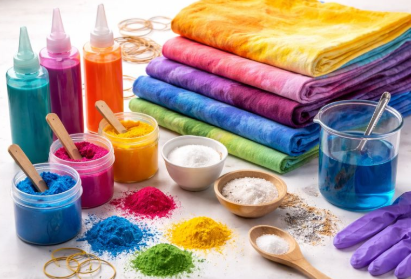
Ever wondered how Fiber reactive dyes create those rich, long-lasting colors on fabric? These dyes are a game-changer in the textile and DIY industries, known for their unique ability to chemically bond with fibers, ensuring vibrant, durable hues. Favored for their high color fastness, eco-friendliness, and versatility, fiber reactive dyes are the go-to choice for many. In this article, we’ll uncover the science behind these dyes, how they work, and why they’re the preferred option for both manufacturers and DIY enthusiasts when it comes to dyeing fabrics.
In This Article:
● The basics of fiber reactive dyes and their chemistry.
● How fiber reactive dyes bond with fibers at a molecular level.
● Best practices and challenges in using these dyes.
Fiber reactive dyes are a class of dyes that form a covalent bond with fibers, especially cellulose fibers like cotton. This means that the dye doesn't just sit on the surface of the fabric but actually chemically bonds with the fibers at the molecular level. This bonding results in greater color fastness, ensuring the color remains vibrant even after multiple washes.
The key feature that sets fiber reactive dyes apart from other dyes is this molecular bonding process, which involves a reactive group in the dye molecule that interacts with the fiber molecules. When the dye is applied in the presence of heat and a proper pH, this bond is formed, making the color permanent.
Application | Materials | Usage Example | Advantages |
Textile Dyeing | Cotton, Linen, Silk | Clothing, home textiles | Vibrant colors, long-lasting |
Art and Crafts | Cotton, Synthetic Fabrics | Tie-dye, fabric painting | Easy for DIY, vibrant results |
Industrial Use | Cotton, Rayon | Apparel production | High durability, eco-friendly |
Fiber reactive dyes are most commonly used in textile dyeing, especially for fabrics like cotton, rayon, and linen. These dyes are also popular in DIY projects, particularly for tie-dye and fabric painting. The colors produced by fiber reactive dyes are incredibly vibrant and have a soft feel, which makes them a favorite among artists and hobbyists. Additionally, these dyes are also used in the garment industry for creating bright, durable clothing.
Example: Brands like Procion MX and Jacquard’s Fiber Reactive Dye are commonly used in the fabric dyeing process for both professional and home applications.
Fiber reactive dyes can be categorized into natural and synthetic types.
● Natural Fiber Reactive Dyes: Derived from plants and other organic sources, these dyes are often seen as more eco-friendly and sustainable.
● Synthetic Fiber Reactive Dyes: These dyes are chemically engineered for improved color intensity and durability. They are more widely used in the textile industry.
Both types are available in various color ranges and can be used in different applications, from simple tie-dye to industrial fabric production.
The Science Behind Fiber Reactivity
Fiber reactive dyes work through a process of chemical bonding. At a molecular level, the reactive group in the dye molecule forms a covalent bond with the hydroxyl groups of the cellulose fibers. This bond is strong, ensuring that the dye stays locked into the fabric, even after multiple washes.
This bonding mechanism is unique because the dye doesn’t just sit on the surface of the fabric; it becomes a part of the fabric. This chemical reaction is facilitated by heat, pH adjustments, and sometimes salt. These factors ensure that the dye bonds effectively and permanently.
The Dyeing Process: Step-by-Step
Step | Action | Purpose |
Pre-treatment | Wash and scour fabric | Removes impurities, oils, and sizing |
Dye Application | Apply dye solution with salt and heat | Facilitates the chemical reaction with fibers |
Post-dyeing Washing | Rinse and dry fabric | Ensures color fastness, removes excess dye |
1. Pre-treatment of Fabric: Before applying the dye, the fabric must be cleaned and scoured to remove any impurities or oils. This ensures the dye can react with the fibers properly.
2. Applying the Dye: The dye is mixed with water and salt and applied to the fabric. Heat is often used to help activate the dye’s reactive groups and ensure proper bonding with the fibers.
3. Post-Dyeing Steps: After dyeing, the fabric is washed thoroughly to remove any excess dye. The final color remains vibrant due to the strong chemical bond between the dye and the fibers.
Factors Influencing Fiber Reactivity
Several factors can influence how well a fiber reacts with the dye:
● pH: The pH of the dye bath plays a critical role in activating the reactive groups in the dye. Most fiber reactive dyes work best in a slightly alkaline environment.
● Temperature: Higher temperatures can speed up the reaction process, allowing the dye to bond more effectively with the fabric.
● Salt: Adding salt to the dye bath helps in the absorption of the dye, improving the reaction between the dye and the fibers.
Why It Matters: Knowing the right conditions for applying dye ensures better results and helps avoid poor color uptake or uneven dyeing.
Fiber reactive dyes are known for their superior color fastness. The chemical bond formed between the dye and the fiber ensures that the color won’t fade easily, even after frequent washing. This is why they are preferred for applications where long-lasting color is essential, such as in clothing and home textiles.
Unlike many traditional synthetic dyes, fiber reactive dyes are considered more environmentally friendly. They require less water during the dyeing process, and the dyeing process itself generates fewer harmful by-products. Additionally, these dyes can be used with less chemical waste, especially in well-regulated industrial settings.
Traditional Dyes | Fiber Reactive Dyes |
Often require more water and chemicals | Use less water and produce fewer harmful by-products |
May result in high chemical waste | More eco-friendly with less toxic waste |
Can be harmful to the environment if improperly disposed of | Generally safer for the environment, especially when handled properly |
Fiber reactive dyes are versatile. They can be used not just on cotton and linen, but also on wool, silk, and some synthetics. This makes them a go-to choice for different fabric types, from garments to home décor.
Dyeing Complexity:For beginners, the dyeing process can be challenging due to the need for precise control of factors like temperature, pH, and salt. However, with practice, these challenges become easier to manage, and the results are worth it.
Cost and Availability:Fiber reactive dyes tend to be more expensive than basic synthetic dyes. This is partly due to their high quality and the fact that they require more careful application. They may also not be as readily available in every retail store, although online suppliers have made them more accessible.
Handling and Storage:These dyes should be handled with care. Improper storage, such as exposure to air and light, can reduce their potency. Always store dyes in airtight containers, away from direct sunlight, to preserve their effectiveness.
Pre-Dyeing Fabric Preparation
Before dyeing, always wash the fabric thoroughly to remove any impurities. Scouring the fabric ensures the dye adheres better, allowing for more vibrant and long-lasting colors.
Mixing the Right Dye Solution
Accurate mixing is crucial for achieving the desired color intensity. Follow the manufacturer’s guidelines on how much dye to use in relation to water and salt.
Achieving the Desired Color Outcome
To control the vibrancy of the color, experiment with different dye-to-water ratios. Also, consider using different temperature settings and dyeing times to achieve a lighter or darker shade.
Fiber reactive dyes offer superior color quality, durability, and eco-friendliness, making them an ideal choice for both industrial applications and personal projects. Their ability to bond with fibers on a molecular level ensures that colors remain vibrant for longer, even with frequent washing. Despite some challenges, such as their cost and handling complexity, the results are well worth the effort, making fiber reactive dyes a top choice for any fabric dyeing project.
At Haohua, we are committed to providing the highest quality fiber reactive dyes that help you achieve stunning, long-lasting results. Whether you're creating custom garments or engaging in DIY textile art, Haohua's reliable and eco-friendly solutions will ensure that your colors shine through, making your projects even more vibrant and sustainable.
Final Thoughts: With Haohua's top-tier fiber reactive dyes, you can trust that you're using a product designed to deliver exceptional performance while supporting your creative, eco-conscious efforts.
A: Fiber reactive dyes are a type of dye that chemically bonds with fibers, creating vibrant, long-lasting colors. This bonding ensures that the color stays in place, even after washing, making them ideal for textile applications.
A: Fiber reactive dyes work by forming a covalent bond with the fiber molecules, typically cellulose, during the dyeing process. This bond makes the color permanent and resistant to fading, even after multiple washes.
A: Fiber reactive dyes offer superior color fastness and longevity compared to other dyes. They are ideal for applications that require durable and vibrant colors, especially in clothing and home textiles.
A: Fiber reactive dyes work best on cellulose-based fibers like cotton, linen, and rayon. They can also be used on other fabrics with some adjustment to the process.


