
Views: 0 Author: Site Editor Publish Time: 2026-01-12 Origin: Site


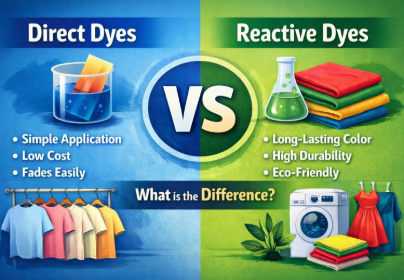
Curious about the difference between direct dyes and reactive dyes ? Both are commonly used in the textile industry, but they offer distinct advantages depending on the application. In this article, we’ll break down the key differences between these two popular dyes, from their chemical properties to how they’re applied and their durability. Whether you're a manufacturer, dye expert, or just a consumer looking to learn more, you’ll discover which dye is the best fit for your needs.
Direct dyes are a group of dyes that bond to fibers without the need for additional mordants or chemicals. They are typically applied to fabrics through a simple process, using a water-based solution that penetrates the fibers. The bond formed is generally weak, which contributes to the dye's tendency to fade over time. These dyes are often used for cellulose fibers such as cotton and linen, as they have an affinity for these materials.
● Low-Cost Application: Direct dyes are often more affordable than reactive dyes, making them an attractive choice for budget-conscious projects.
● Simplicity in Application: They do not require complex procedures or additional chemicals, allowing for quick and easy application.
● Color Retention: While their fastness may not be as high as reactive dyes, direct dyes still provide a satisfactory level of color retention, especially in lighter colors.
Poor Wash Fastness: Direct dyes tend to fade more quickly when washed, especially under harsh conditions, due to the weak bond between the dye and the fabric.
Limited Color Range: Compared to reactive dyes, direct dyes offer a more limited spectrum of vibrant and deep colors.
Environmental Impact: The process of dyeing with direct dyes often involves large volumes of water, increasing the environmental impact of the dyeing process.
Reactive dyes are unique in their ability to chemically bond with fiber molecules, forming a strong covalent bond. This bonding process enhances the dye’s color fastness, making reactive dyes one of the most durable dye types available. They are primarily used for cellulose fibers but can also be applied to wool and nylon. This type of dye offers a wide range of vibrant and long-lasting colors.
Superior Wash Fastness
Reactive dyes are known for their exceptional wash fastness. The strong chemical bond formed between the dye and the fibers ensures that the color remains intact even after multiple washes. This resistance to fading makes them an ideal choice for textiles that require long-term durability, such as garments and home textiles. Whether it's frequent washing or exposure to harsh conditions, reactive dyes provide lasting color retention, making them a superior option for high-end textiles.
Vibrant Colors
One of the standout features of reactive dyes is their ability to produce vibrant, rich, and deep hues. The chemical reaction between the dye and the fiber results in intense color saturation that is both vivid and durable. This makes reactive dyes especially popular in fashion and home textiles where bold, eye-catching colors are desired. Unlike other dyes, which may result in faded or washed-out shades, reactive dyes maintain their vibrant appearance, even after repeated washing and exposure to light.
Eco-Friendly Options
In today’s environmentally-conscious market, many reactive dyes have been developed with sustainability in mind. These dyes are often designed to meet strict environmental standards, reducing their environmental footprint. Reactive dyes typically require less water and energy during the dyeing process compared to other traditional dyeing methods, making them a more eco-friendly choice. Additionally, some reactive
Types of Reactive Dyes
Type of Reactive Dye | Characteristics | Common Uses |
Monoreactive Dyes | One reactive group binds with fiber | Lighter shades, basic applications |
Bifunctional Dyes | Two reactive groups for stronger bonds | Darker colors, higher durability, premium textiles |
Direct Dyes | Reactive Dyes |
Simple application, usually in a water bath | Requires controlled temperature, pH, and fixatives |
No need for additional chemicals | Requires chemicals to promote bonding |
Faster and more cost-effective | More complex, but offers better results in the long run |
Characteristic | Direct Dyes | Reactive Dyes |
Wash Fastness | Poor (colors fade quickly) | Excellent (colors remain intact after washing) |
Light Fastness | Moderate | Excellent |
Rubbing Fastness | Poor | Excellent |
Reactive dyes provide a broader spectrum of colors, including deeper and more vivid shades that are often more desirable in high-end textiles. Direct dyes, in contrast, tend to produce more muted and less intense colors.
While both types of dyes have environmental concerns, reactive dyes generally have the edge when it comes to sustainability. They are often designed to use less water and fewer chemicals during the application process. However, the use of reactive dyes can still contribute to water pollution if not managed correctly. Direct dyes, while cheaper and easier to apply, often require more water and result in more waste.
Production and Application Costs:Direct dyes are typically less expensive due to the simpler application process and the raw materials involved. Reactive dyes, on the other hand, are more expensive both in terms of raw material costs and the need for more complex dyeing processes. This cost difference is significant when producing large volumes of textiles, but the superior durability of reactive dyes can make them a worthwhile investment in high-quality products.
Long-Term Value:Although reactive dyes have a higher upfront cost, they provide long-term value by maintaining the vibrancy of colors over time. In contrast, products dyed with direct dyes may require more frequent re-dyeing, increasing costs in the long run. Reactive dyes’ superior fastness ensures that the initial investment is often justified by the longer lifespan of the product.
When to Choose Direct Dyes
Direct dyes are well-suited for applications where cost is a primary concern and color fastness is less critical. These dyes are ideal for products that will not undergo frequent washing or exposure to sunlight. For example, seasonal or low-cost items such as certain fashion accessories or home decor may benefit from the use of direct dyes.
When to Choose Reactive Dyes
Reactive dyes are the go-to choice for premium products where durability, color retention, and aesthetic quality are paramount. These dyes are perfect for clothing, home textiles, and other products that will endure repeated washing or sun exposure. For manufacturers producing high-end fabrics or garments, reactive dyes are often the best option to ensure long-lasting appeal.
In conclusion, both direct and reactive dyes have their place in the textile industry, but their differences are clear. Direct dyes are ideal for low-cost, simple applications, while reactive dyes excel in producing long-lasting, vibrant colors for high-quality textiles. When choosing between the two, consider the final product’s intended use, durability requirements, and cost constraints.
At Haohua, we specialize in providing both direct and reactive dyes tailored to your specific needs, ensuring top-quality results every time. As the textile industry continues to evolve, advancements in dyeing technologies and eco-friendly options will likely further shape the way we use both types of dyes, making sustainable practices even more important. Partner with Haohua for innovative dye solutions that meet both your aesthetic and environmental goals.
Tips for Choosing the Right Dye
● Consider the end-use of the textile: Reactive dyes are best for long-lasting garments, while direct dyes may suffice for short-term applications.
● Think about the environmental impact: Reactive dyes offer eco-friendly alternatives, but the dyeing process must still be monitored for sustainability.
● Balance cost with quality: Direct dyes are cost-effective but may need frequent touch-ups, while reactive dyes offer longevity at a higher initial cost.
A: Direct dyes bind to fibers through a weak physical bond, making them less durable than reactive dyes, which form a strong chemical bond. Reactive dyes provide superior wash fastness and color vibrancy.
A: Reactive dyes require controlled conditions such as specific temperature, pH, and the use of chemicals like alkalis or salts to promote the bonding process with the fibers, ensuring better durability and colorfastness.
A: Reactive dyes offer better wash fastness, light fastness, and color intensity. Their chemical bonding ensures longer-lasting colors, making them ideal for premium textiles that require durability.
A: Yes, reactive dyes are generally more expensive due to the complex application process and higher-quality results they provide. However, their durability can make them more cost-effective in the long run.
A: Reactive dyes are primarily used on cellulose fibers like cotton and linen, but they can also be applied to wool and nylon. They are versatile, offering bright and durable colors for a range of textiles.


