


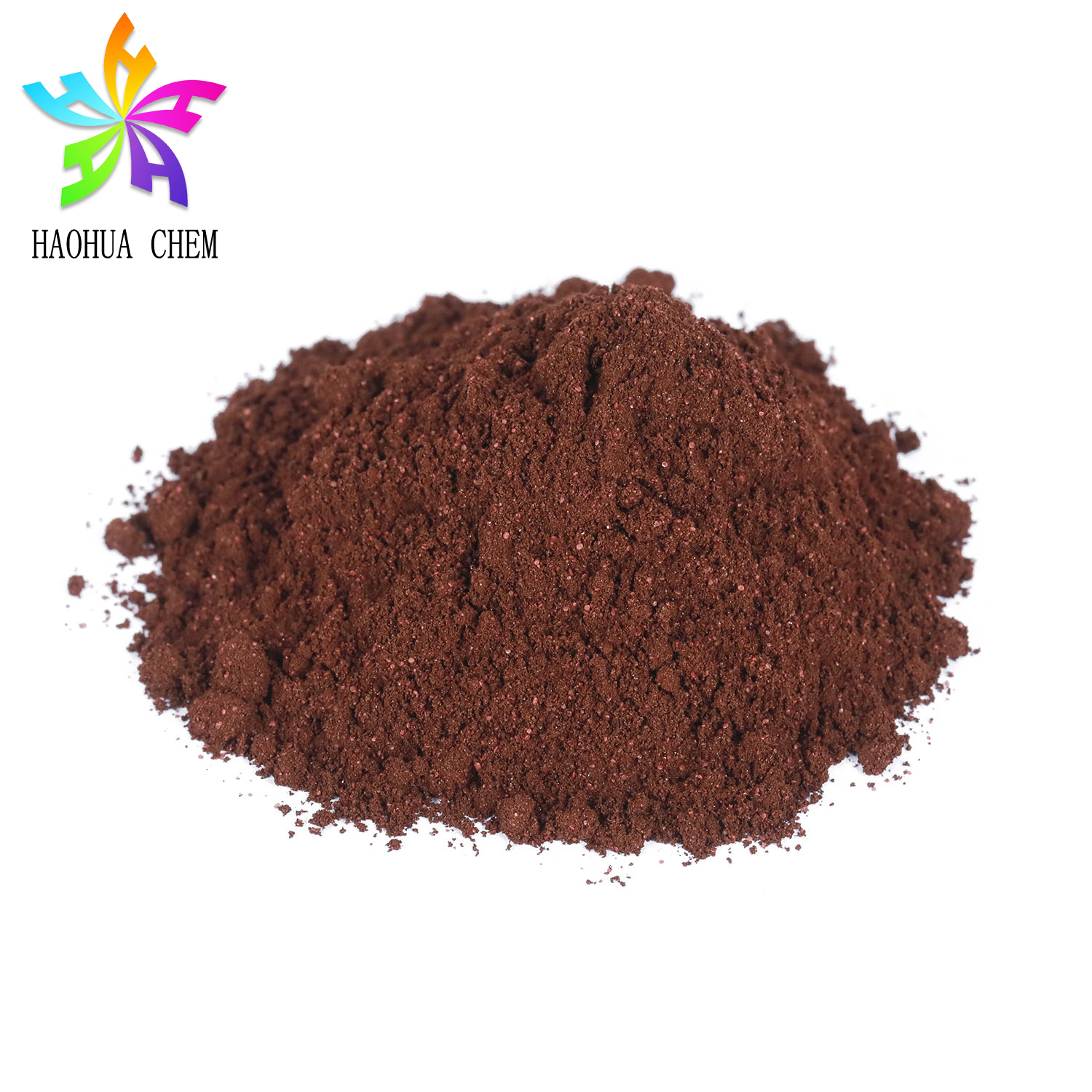
Ever wondered how denim retains its rich blue color after countless washes? The secret often lies in vat dyes. These dyes are famous for their durability and vibrant colors, making them a popular choice in industries like fashion and textiles. In this article, we'll explore what vat dyes are, how they work, and their key advantages. You’ll also discover why they remain essential in fabric dyeing for decades, especially in high-demand applications like denim production.
Vat dyes are water-insoluble dyes that must be chemically altered to become soluble. The reduction process involves breaking down the dye’s chemical structure using reducing agents like sodium dithionite, making them soluble in water. Once the fabric is immersed in this solution, the dye enters the fibers. The final color develops when the dye is exposed to air, oxidizing back to its insoluble form, which then bonds to the fibers.
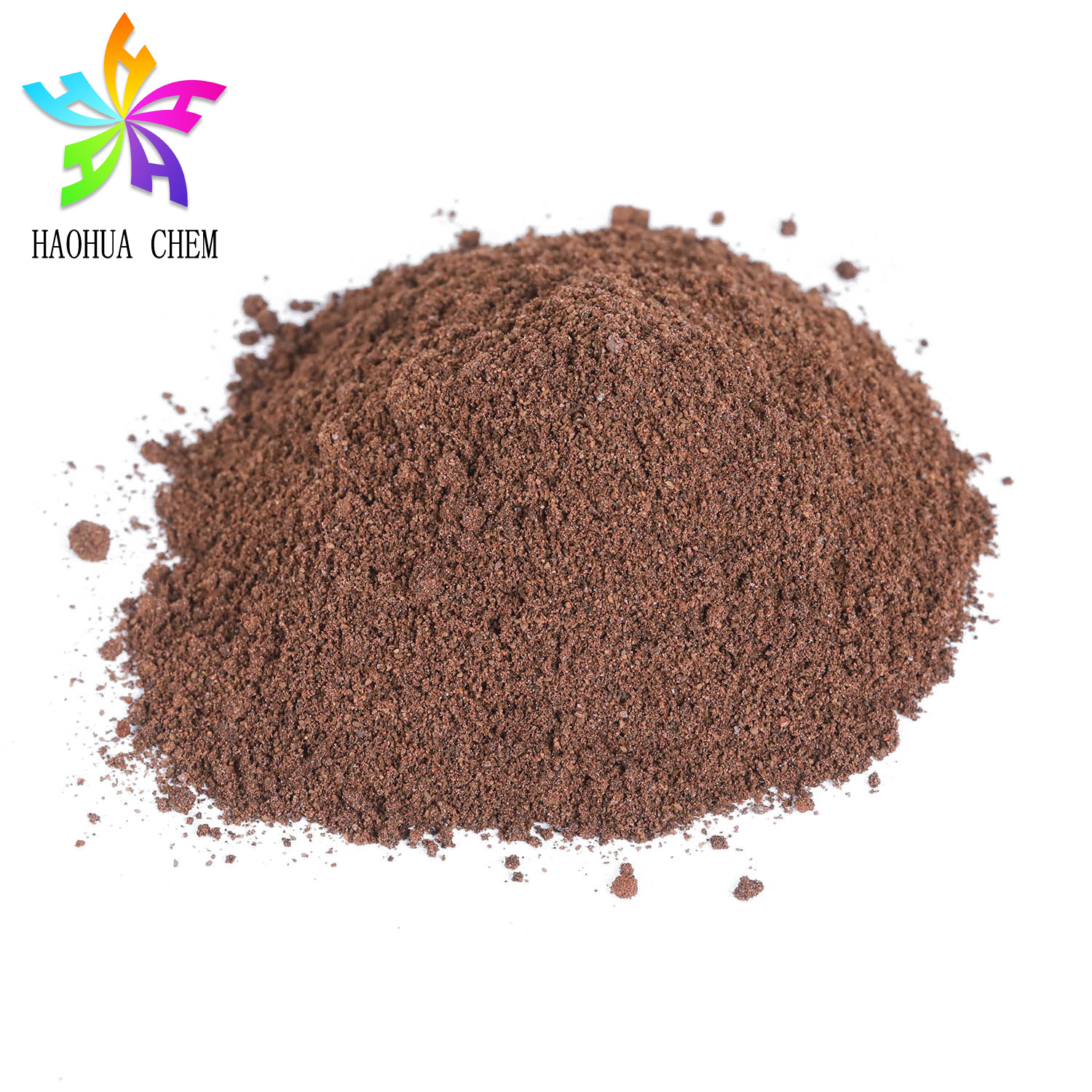
The name "vat dye" comes from the traditional dyeing process, which was historically carried out in a large container called a vat. The vat provided a sealed environment for reducing the dye and was key to controlling the temperature and chemical processes involved. While modern techniques have evolved, the name has persisted due to its historical significance.
Reduction and Oxidation Process
The dyeing process of vat dyes involves two main stages: reduction and oxidation. During reduction, the dye molecules become soluble and penetrate the fabric. After the fabric is removed from the vat, exposure to air causes the dye to re-oxidize, turning it back into its insoluble form and bonding tightly with the textile fibers. This process is responsible for the dye’s long-lasting color.
Binding with Fibers
Vat dyes bond with textile fibers through strong chemical interactions. Once the dye re-oxidizes, it forms complex structures that cannot be easily washed out, making the dye particularly durable. The process is slow but effective, leading to highly colorfast results.
Water and Dye Interaction
The role of water in the vat dyeing process is crucial. Water serves as the medium in which the dye is reduced, making the dye molecules soluble. This allows the dye to enter the fiber’s surface and later bond when the dye is re-oxidized.
Indigo Dye – The Most Famous Vat Dye
Indigo is perhaps the most well-known vat dye, with a long history dating back thousands of years. It was one of the first dyes used in the textile industry, especially for dyeing cotton. Indigo is best known for its use in denim, where it imparts a deep blue color that is both distinctive and durable.
History and Use
Indigo dye has been used since ancient times, particularly in Egypt and India. It played a significant role in global trade during the 18th century and is still popular today for dyeing textiles.
Modern Applications
Today, indigo remains essential in the production of denim. Its deep, rich color and exceptional resistance to fading make it the preferred choice for the fashion industry, particularly for jeans and workwear.
Anthraquinone Dyes
Anthraquinone dyes are another group of vat dyes. These are typically used to produce bright, vibrant colors like red and purple. These dyes are commonly used in the textile industry, especially in printing and dyeing wool and silk fabrics.
Shades and Variations
Vat dyes are available in a range of shades, from rich blues and greens to warm reds and browns. The variety of colors available allows manufacturers to produce a wide spectrum of products, meeting the demands of different industries.
Before applying vat dyes, fabrics often undergo a pre-treatment process. This may include scouring to remove impurities, as well as mordanting, a process that helps the dye bond more effectively with the fibers.
Fabrics like cotton need to be scoured to remove oils and dirt, ensuring the dye penetrates the fibers evenly. Mordanting involves treating the fabric with substances like aluminum or iron salts to improve dye fixation.
Dye Vat Setup:The dye vat is prepared by dissolving the vat dye in a reducing agent solution. The solution is heated to the appropriate temperature, allowing the dye to become soluble and ready for use.
Immersion and Dyeing Techniques:Once the vat is prepared, fabrics are immersed in the solution. The fabric absorbs the dye while it is in its soluble form. Upon removal from the vat, the fabric is exposed to air, allowing the dye to oxidize and form permanent bonds with the fibers.
Fixing the Color:After dyeing, fabrics may undergo post-dyeing treatments such as steaming or washing to ensure that the dye is fully set and resistant to fading.
Washing and Rinsing:Proper washing and rinsing are essential to remove excess dye and prevent color bleeding. This is particularly important with vat dyes, as they can be sensitive to water and washing conditions in the first few days after dyeing.
Advantage | Details |
Long-lasting Colors | Vat dyes are resistant to fading, even after multiple washes. |
Resistance to Light | Unlike other dyes, vat dyes are less likely to fade in sunlight. |
High Durability | Ideal for garments that undergo heavy wear and washing. |
Long-lasting Colors
Vat dyes offer superior resistance to washing, light, and perspiration, which is why they are often used in applications where long-lasting color is essential. This includes products like uniforms, workwear, and outdoor clothing.
Applications in Commercial Use
Industries like fashion, particularly denim, and home textiles often rely on vat dyes for their superior durability. Items that require repeated washing and exposure to harsh conditions benefit greatly from the use of vat dyes.
Eco-Friendly Aspects
Vat dyes are considered relatively eco-friendly compared to other synthetic dyes. When handled properly, they are non-toxic and less harmful to the environment. However, the use of reducing agents must be carefully managed.
Sustainable Practices
Modern innovations in dyeing technologies have made vat dyeing more sustainable. For example, some new systems reduce the use of water and chemicals, making the process less harmful to the environment.
Challenge | Solution |
Time-Consuming Process | Use modern systems that speed up the chemical reduction process. |
Skill Required | Hire skilled labor for precise control over the dyeing process. |
Time and Skill Required:The process of dyeing with vat dyes requires time and expertise. Since the process involves chemical reactions, it can be tricky for beginners. It also requires specialized equipment and temperature control to ensure the dye is applied evenly.
Specialized Equipment Needed:Creating and maintaining a dye vat requires specialized equipment, such as reducing agents and controlled environments. For small-scale businesses, this equipment can be costly and difficult to manage.
Handling and Disposal
Consideration | Best Practices |
Chemical Management | Use proper disposal methods for wastewater containing reducing agents. |
Waste Management | Implement recycling systems to minimize chemical waste. |
Chemical Management:Proper handling of chemicals used in vat dyeing is essential for both safety and environmental reasons. Wastewater from the dyeing process should be treated to remove harmful chemicals before disposal.
Vat dyes are a cornerstone of textile dyeing, offering unmatched durability and vibrant colors. Their ability to maintain color fastness through washing, sunlight, and other environmental factors makes them essential for industries like fashion and home textiles. While they come with challenges, particularly in the dyeing process, their benefits make them a preferred choice for high-quality, long-lasting fabrics.
If you're in the textile industry, consider the benefits of vat dyes for products that require strong color retention and resistance to wear, such as workwear, denim, and uniforms. At Haohua, we provide top-tier vat dyeing solutions tailored to meet your business's needs.
Vat dyeing requires specialized knowledge and equipment, so businesses new to this method should invest in proper training and equipment to ensure successful outcomes. Haohua offers expert guidance and high-quality equipment to help you achieve perfect results every time.
A: A vat dye is a type of water-insoluble dye that becomes soluble through a chemical reduction process. It is used for dyeing textiles, particularly in industries where high colorfastness and durability are required.
A: Vat dyes work by undergoing a reduction process that makes them soluble in water, allowing them to penetrate the fabric. Once oxidized, they bond to the fibers, providing long-lasting color.
A: Vat dyes, particularly indigo, are used in denim production because of their excellent colorfastness and ability to withstand repeated washing, making them ideal for durable denim fabrics.
A: Vat dyes are relatively eco-friendly compared to other synthetic dyes. However, proper management of chemicals and waste is essential to minimize their environmental impact.


